
THE LAST FLIGHT
Months before the deadliest hot air balloon disaster in American history,
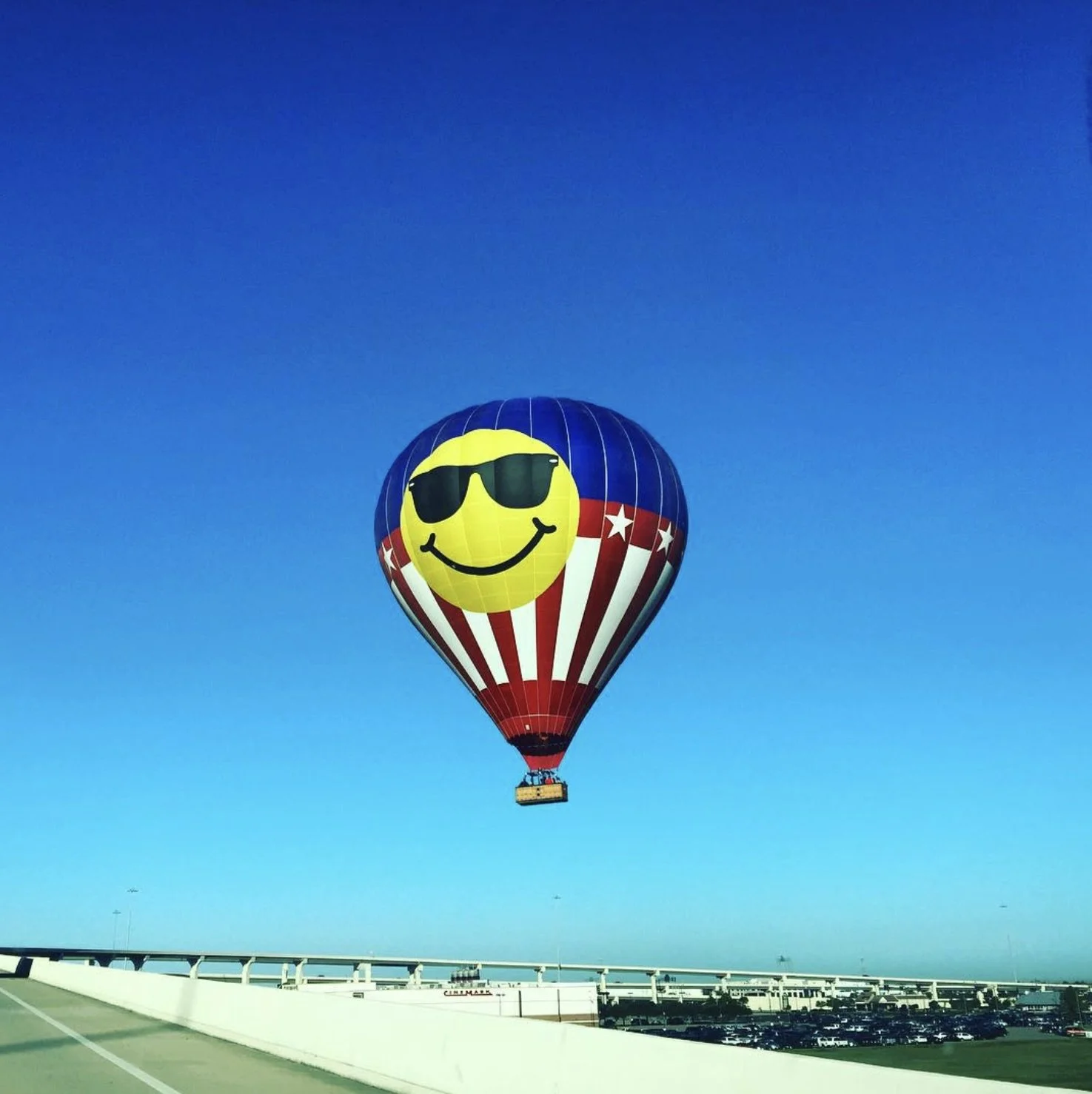
I photographed it from a moving car on I-10.
Houston Heights Independent
By Jim Towers, MJA J.D.
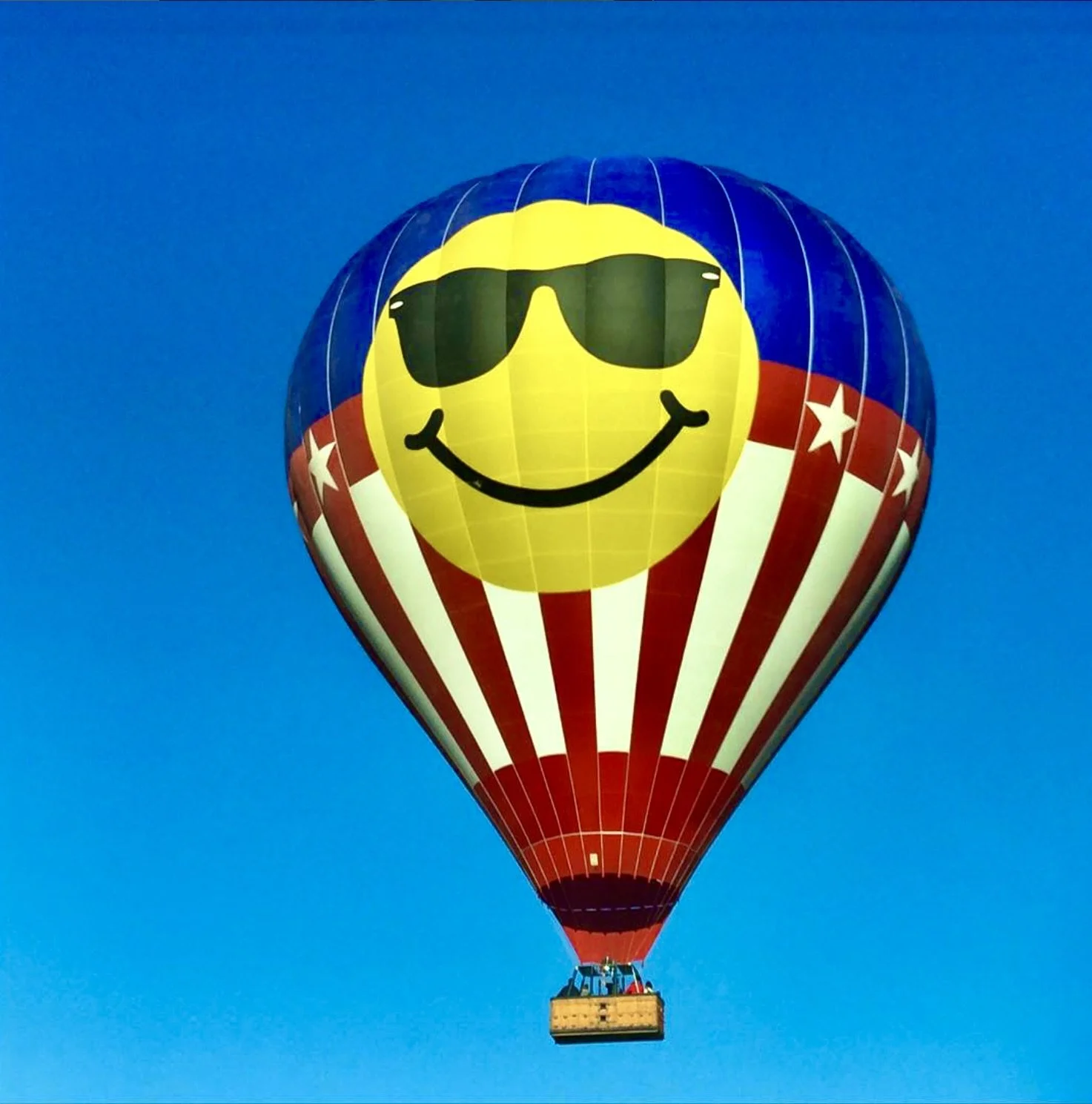
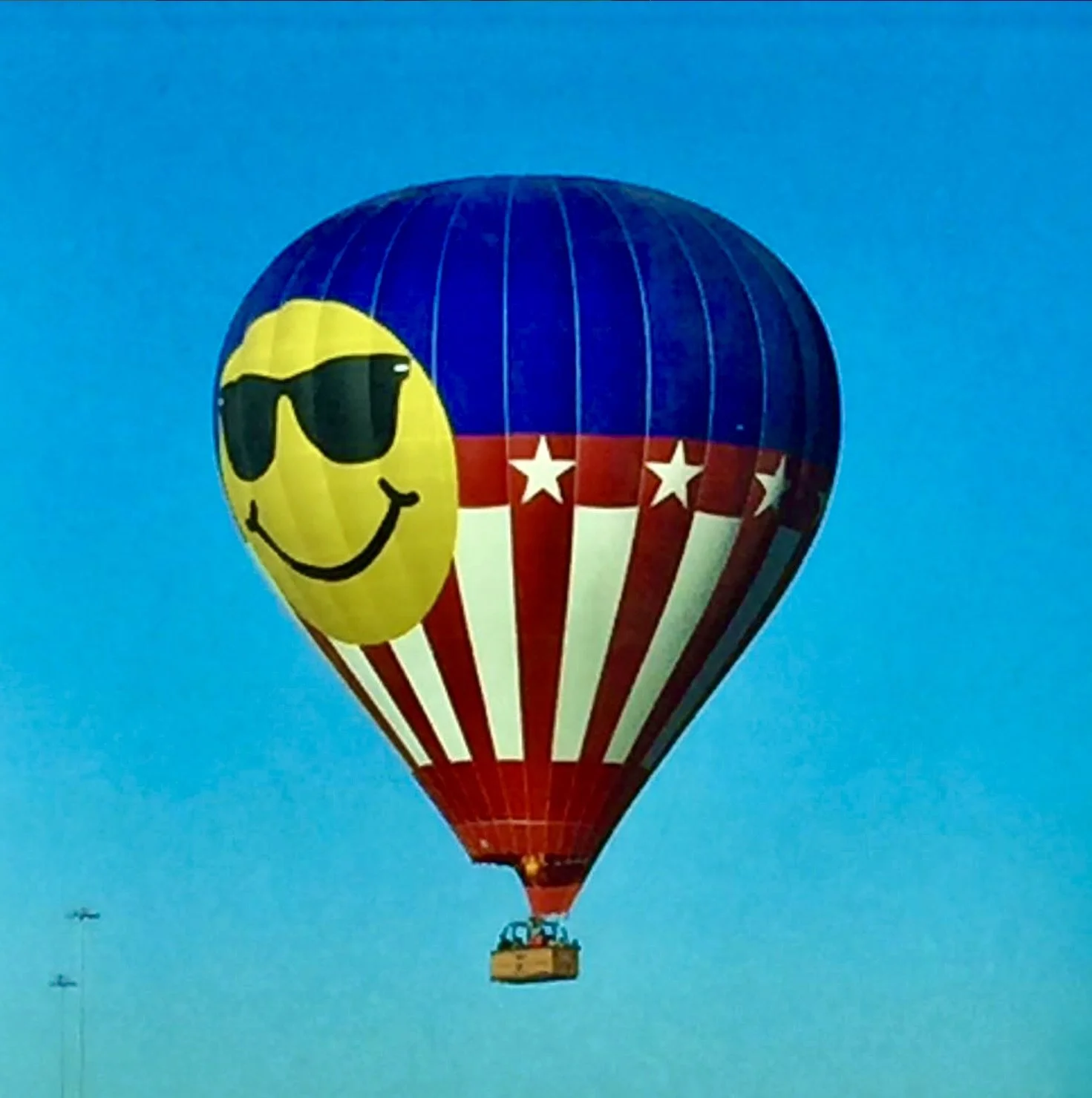
Heart of Texas Hot Air Balloon Rides, N2469L, months before the accident.
I was westbound on I-10 at the Grand Parkway interchange in Katy on or around July 9, 2016, when I saw it.
A hot air balloon. Low. Lower than it should have been over an active freeway corridor. I recognized the situation the way any former law enforcement officer recognizes something that is not right — not with alarm, not yet, but with the particular attention that comes from decades of cataloguing things that don't fit the frame.
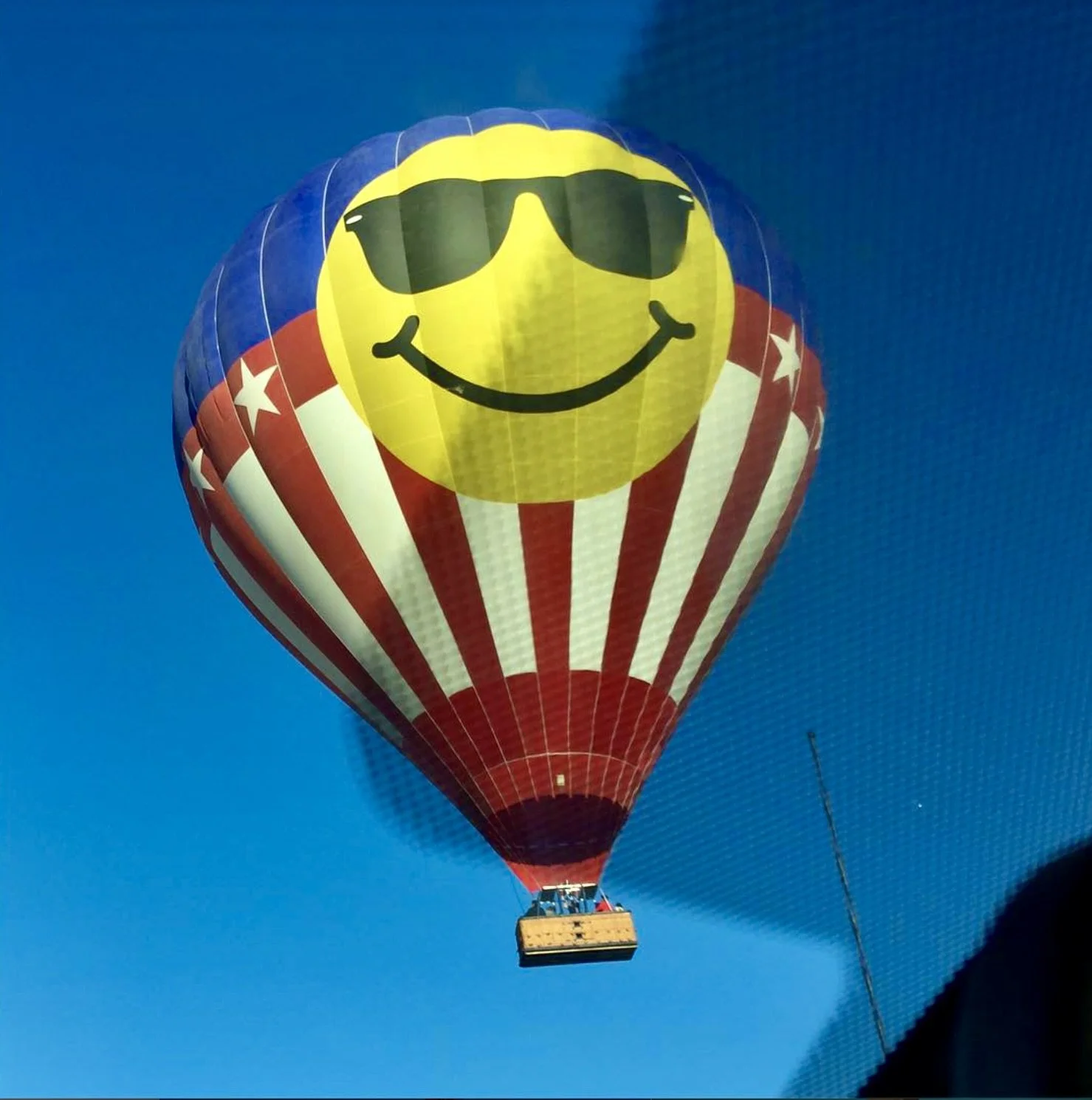
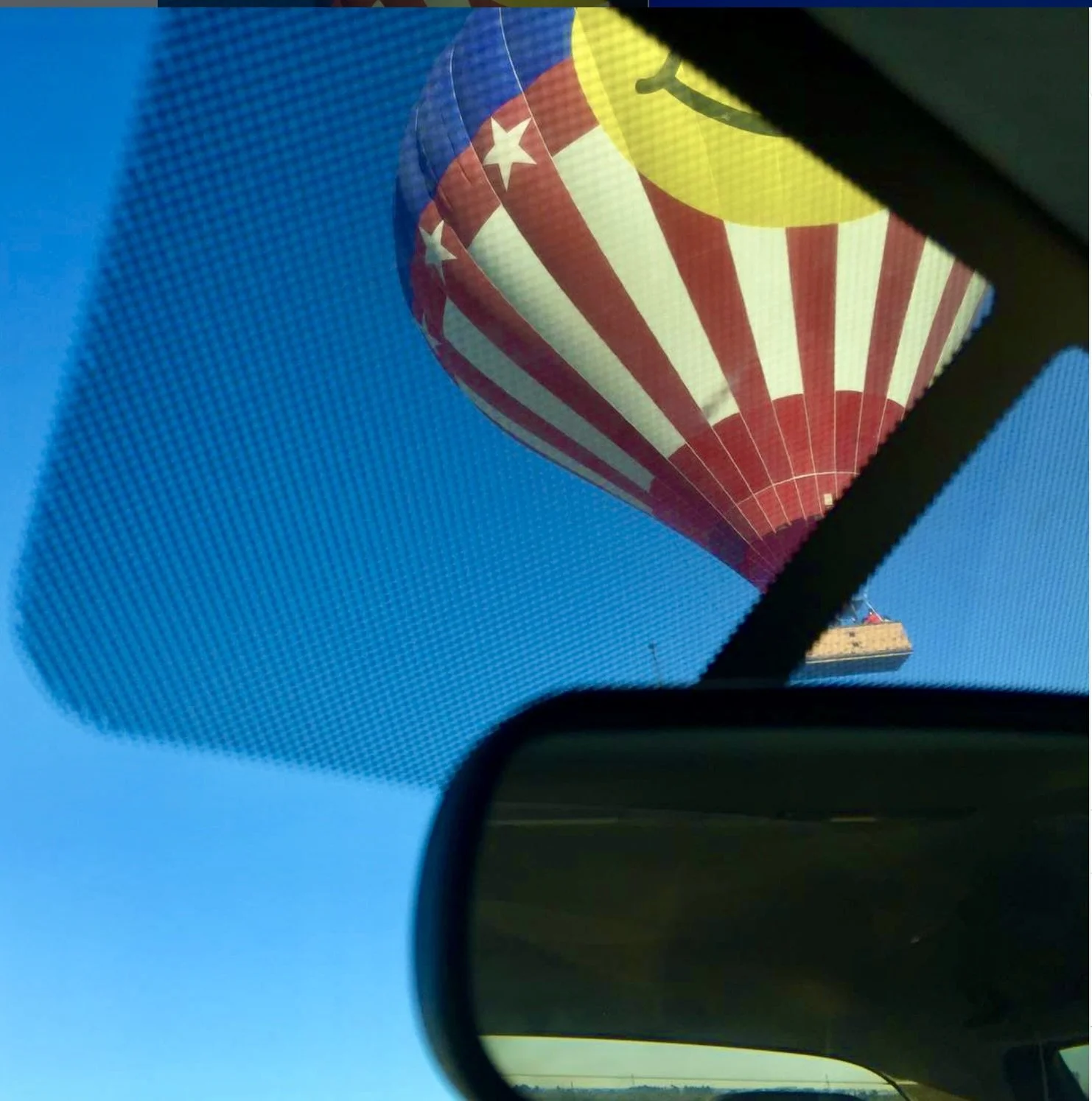
I reached for my camera. I fired three frames from a moving vehicle at highway speed.
Then I drove on. I thought nothing more of it.
A few months later, on the morning of July 30, 2016, a Balóny Kubíček BB85Z hot air balloon operated by Heart of Texas Hot Air Balloon Rides lifted off from Fentress Airpark, Texas, carrying 15 passengers and its pilot, Alfred "Skip" Nichols.
At 7:42 a.m., the balloon struck high-tension power lines. The gondola separated from the envelope. Propane fuel ignited. The balloon crashed into a field near Maxwell, Texas, approximately 30 miles south of Austin.
All 16 people on board were killed.
It remains the deadliest hot air balloon disaster in American history.
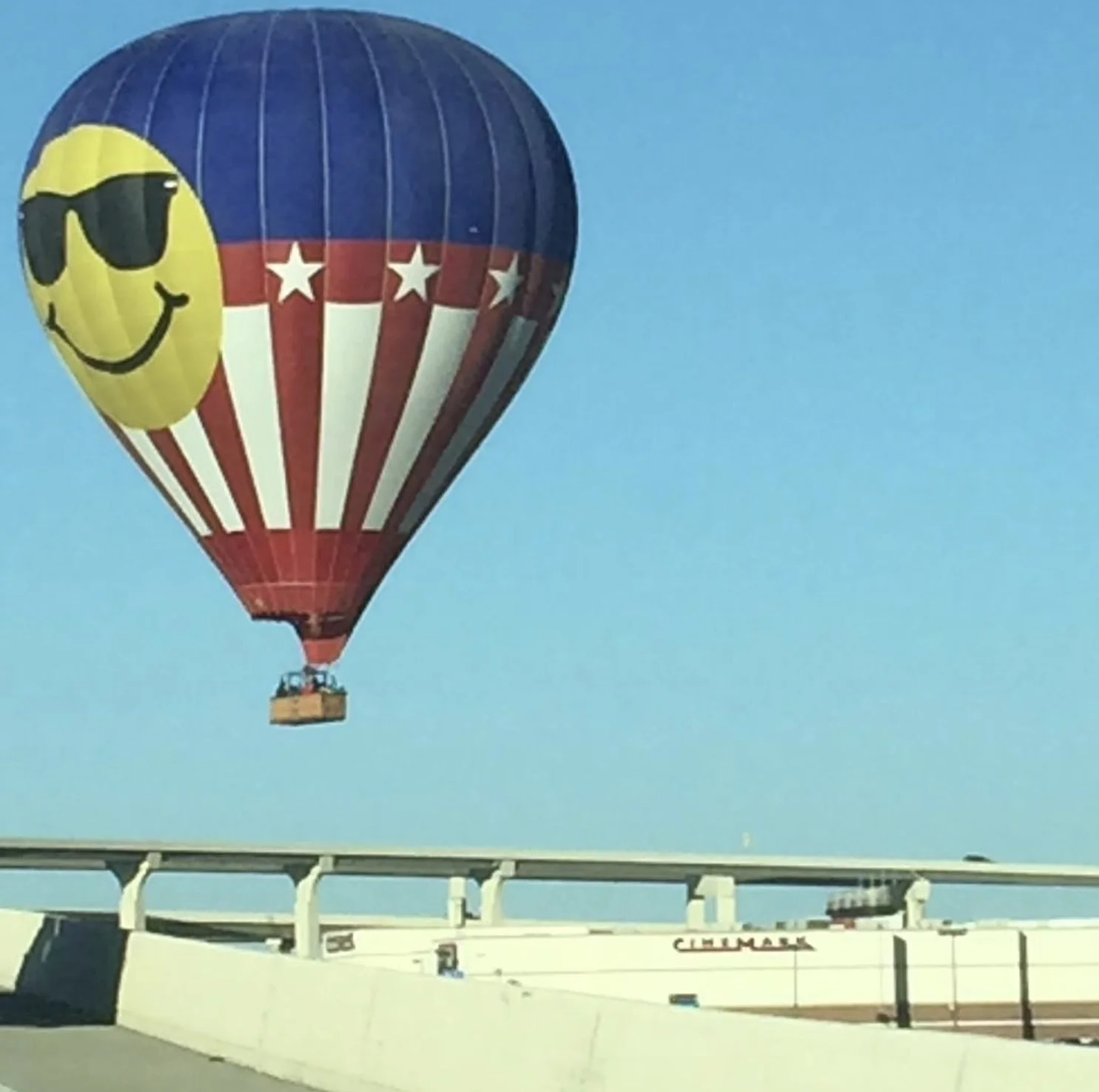
"Heart of Texas Hot Air Balloon Rides, N2469L, over I-10 at Grand Parkway interchange, Katy, Texas. Approximately July 9, 2016. © Jim Towers, Houston Heights Independent."
THE PILOT
The NTSB investigation, which concluded with a final report in October 2017, found that pilot Skip Nichols had diazepam, oxycodone, and diphenhydramine in his system at the time of the crash — a drug combination carrying the equivalent impairment of a legally drunk driver.
Nichols had at least four prior DWI convictions. He had been diagnosed with attention deficit hyperactivity disorder, a condition the NTSB noted causes cognitive deficits that may affect decision-making and safety of flight.
None of it disqualified him.
Because commercial balloon pilots were not required to hold FAA medical certificates — a regulatory gap the NTSB had warned about repeatedly, most recently in March 2016, four months before the crash — Nichols flew legally. He flew commercially. He flew with 15 people in his basket.
Before takeoff that morning, he was warned about cloud cover. His reported response: "We just fly in between them. We find a hole and we go."
The NTSB determined the probable cause as the pilot's poor aeronautical decision-making — proceeding with launch and flight into deteriorating weather, climbing above obscuring fog and clouds, and then descending without adequately clearing obstacles.
THE SYSTEM THAT LET IT HAPPEN
Between January 2014 and December 2016, there had been 25 balloon accidents resulting in 4 fatalities and 25 serious injuries — and the NTSB had been warning the FAA about the medical certificate gap the entire time. The warnings went unheeded.
After the crash, U.S. Representative Lloyd Doggett, whose district included the crash site, introduced legislation to require medical oversight for commercial balloon pilots. He urged the FAA directly: "Voluntary standards are no substitute for federal enforcement."
The FAA did not immediately act.
The NTSB final accident report — NTSB/AAR-17/03 — is available in full at ntsb.gov. It is 97 pages. It names every finding. It is a thorough document. The families of 16 people are documented in it.
HHI is linking it here because it exists and because the public should be able to read it.
Full NTSB accident report: https://www.ntsb.gov/investigations/AccidentReports/Reports/AAR1703.pdf
WHAT I HAVE
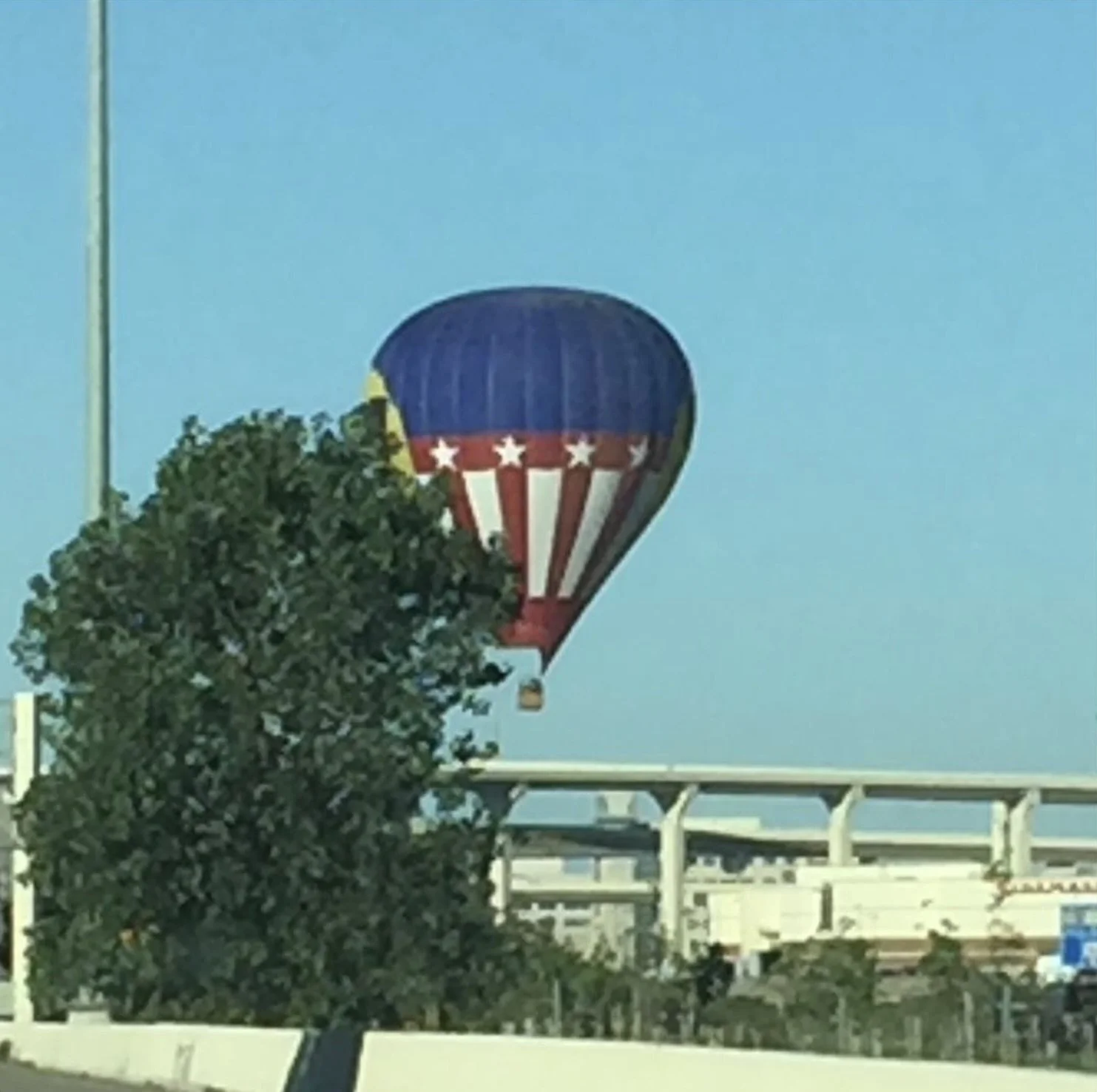
I did not know, when I fired those three frames on I-10, that I was photographing a balloon that would kill everyone on board three weeks later. I was a driver on a freeway who saw something that didn't look right and reached for his camera. That is what photojournalists do. That is what this publication does.
I went back to those frames when the crash was reported. The balloon is unmistakable. The registration number N2469L is visible. The Grand Parkway interchange is in the background. The date stamp is July 9, 2016.
To my knowledge these are the only unpublished photographs of that balloon operating in the weeks before it went down. They are not dramatic frames. The balloon is flying. The sky is clear. Everything looks normal.
That is the point.
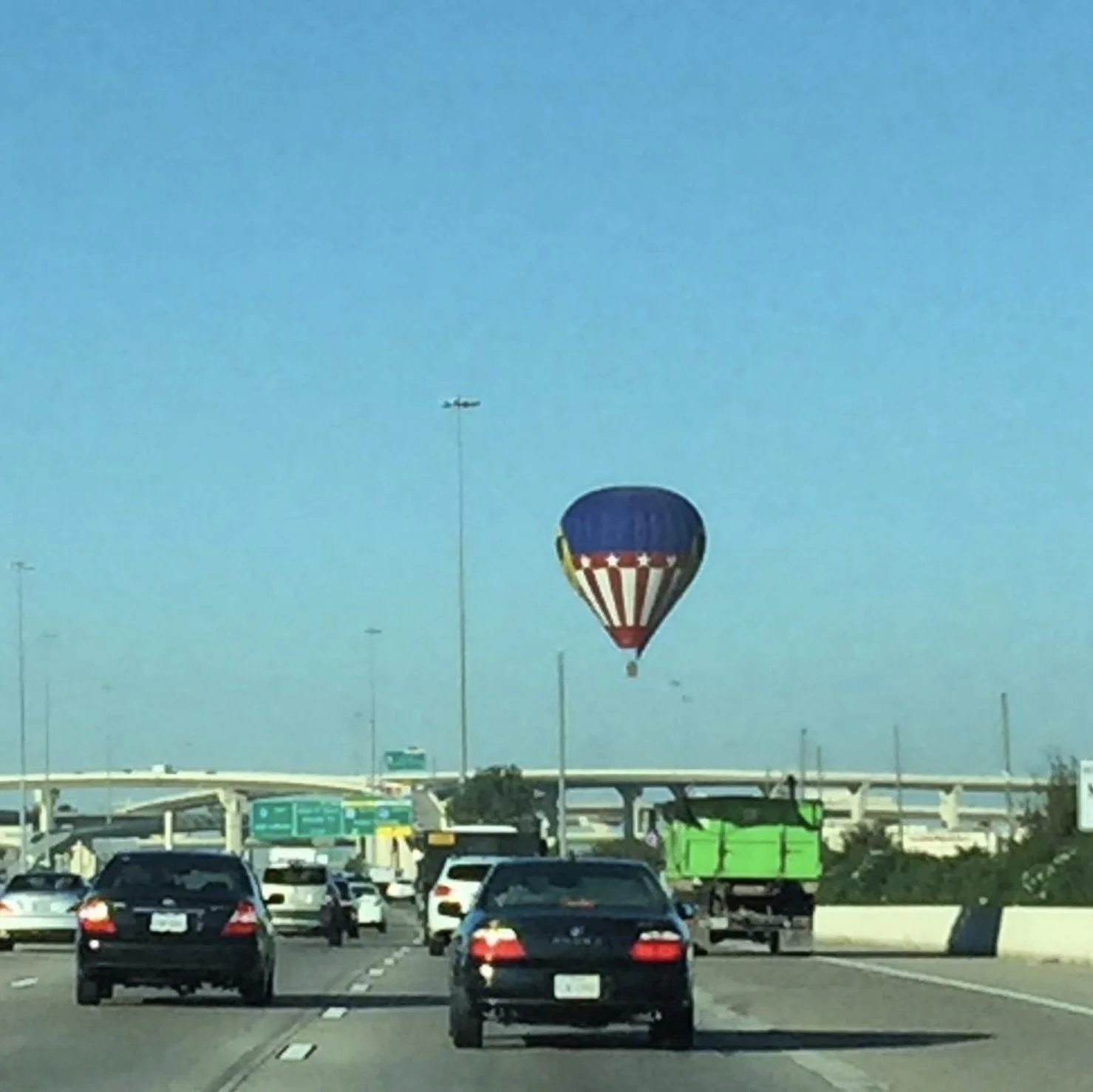
On July 9, 2016, everything looked normal. a few months later, 16 people were dead. The gap between those two facts — between normal and catastrophic, between a clear sky over Katy and a scorched field in Maxwell — is a regulatory failure with a name, a history, and a final report that runs 97 pages.
IN MEMORY
Sixteen people boarded that balloon on the morning of July 30, 2016. They were passengers on a sightseeing flight in Central Texas on a summer morning. They trusted the pilot, the equipment, and the regulatory system that was supposed to ensure both were safe.
This piece is published in their memory and in the interest of the record.
We go. We see. We come back and tell you what's out there.
All photographs © Jim Towers, Houston Heights Independent. Licensing inquiries: Meridian Litigation & Trial Analysis, LCG. NTSB crash site photographs are U.S. government works in the public domain.
ATTENTION ASSIGNMENT DESKS & MEDIA PRODUCERS:
All text, video, and original photography covering this story are the exclusive property of the Houston Heights Independent. Broadcast, digital replication, or social scraping of these assets without an active license is strictly prohibited. To license clean, high-density, unwatermarked frames for TV broadcast or regional news print, contact our newsroom immediately, at houstonheightsindependent@gmail.com. or 210-288-3034. Standard licensing fees apply.
© 2026 Houston Heights Independent. All rights reserved. Registered under Jim Towers, AA. BS.MJA.JD. No part of this publication, including text, layout, and original photography, may be reproduced, distributed, broadcast, or transmitted in any form or by any means without prior written permission from the Editor-in-Chief. For media licensing inquiries or syndication requests, contact at : houstonheightsindependent@gmail.com.
or 210-288-3034. Standard licensing fees apply.
Houston Heights Independent | houstonheightsindependent.com
Jim Towers, MJA. JD. | Editor-in-Chief
