
THE BLACK LABRADOR
4100 Montrose, Houston Texas 77082 ,1986–2019
By Jim Towers photojournalist HIHI
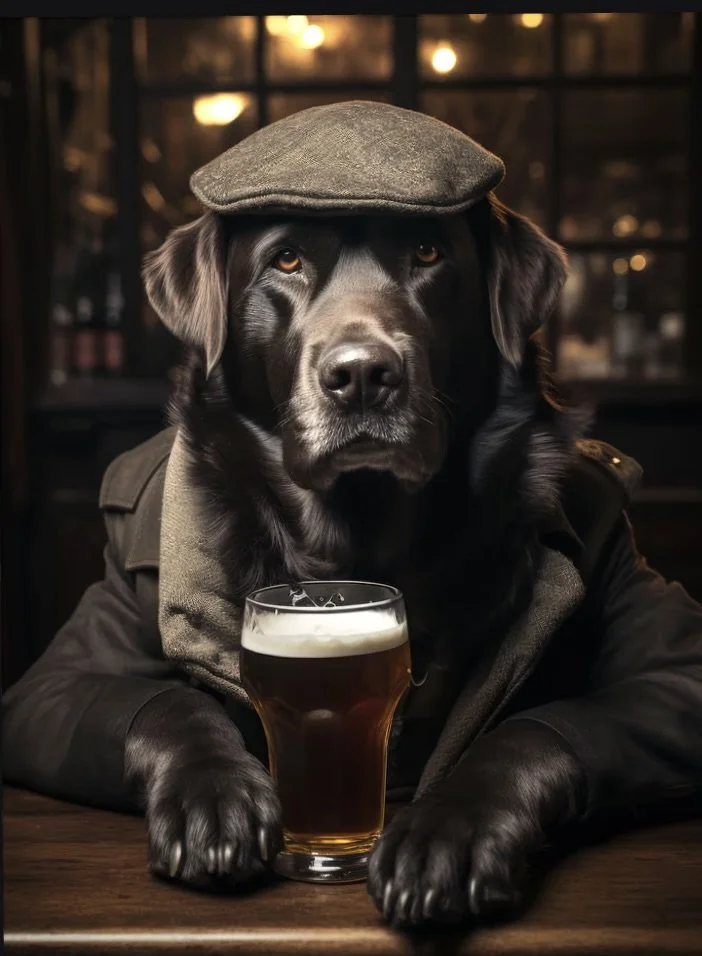
Duke. “ Where a man can have a pint and a pipe in peace!”
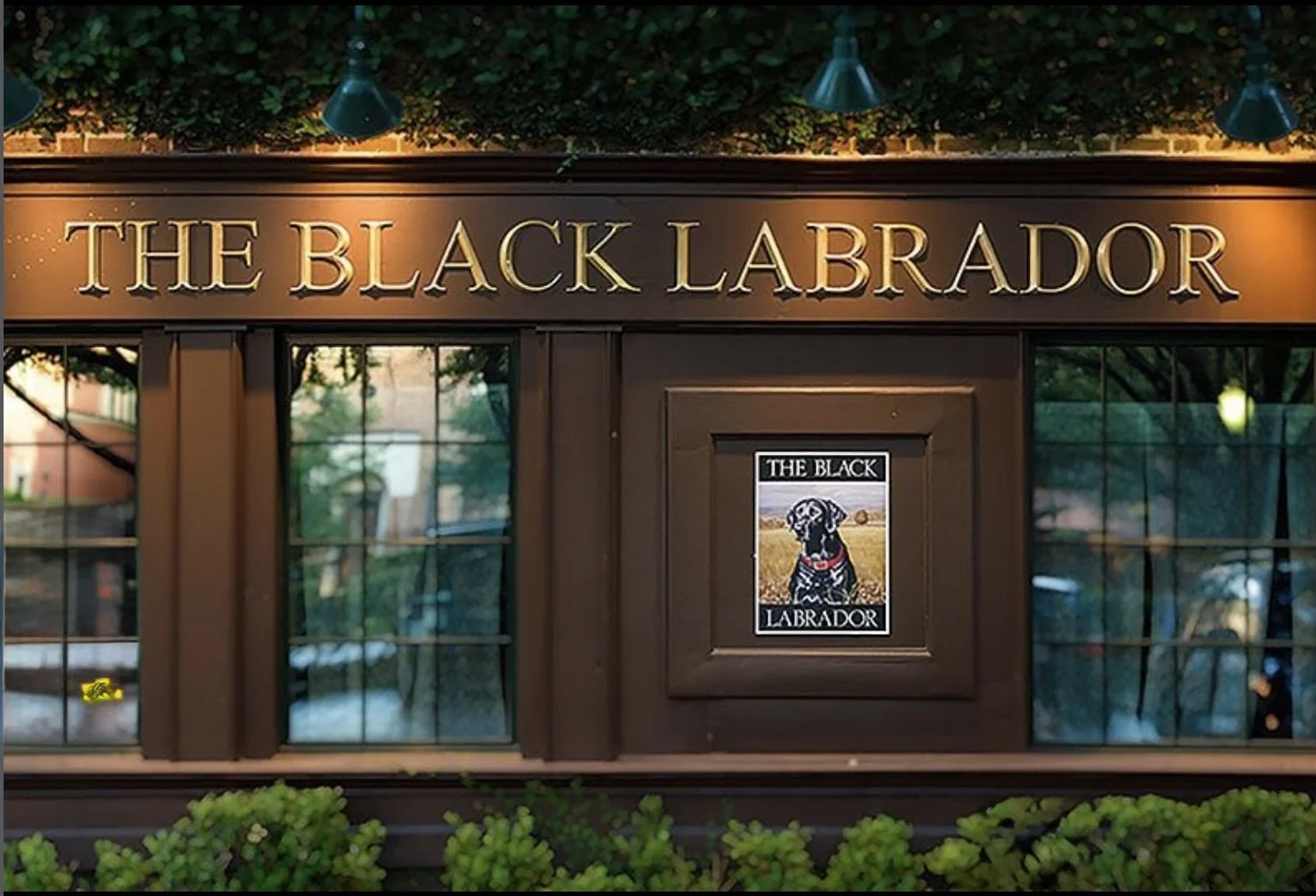
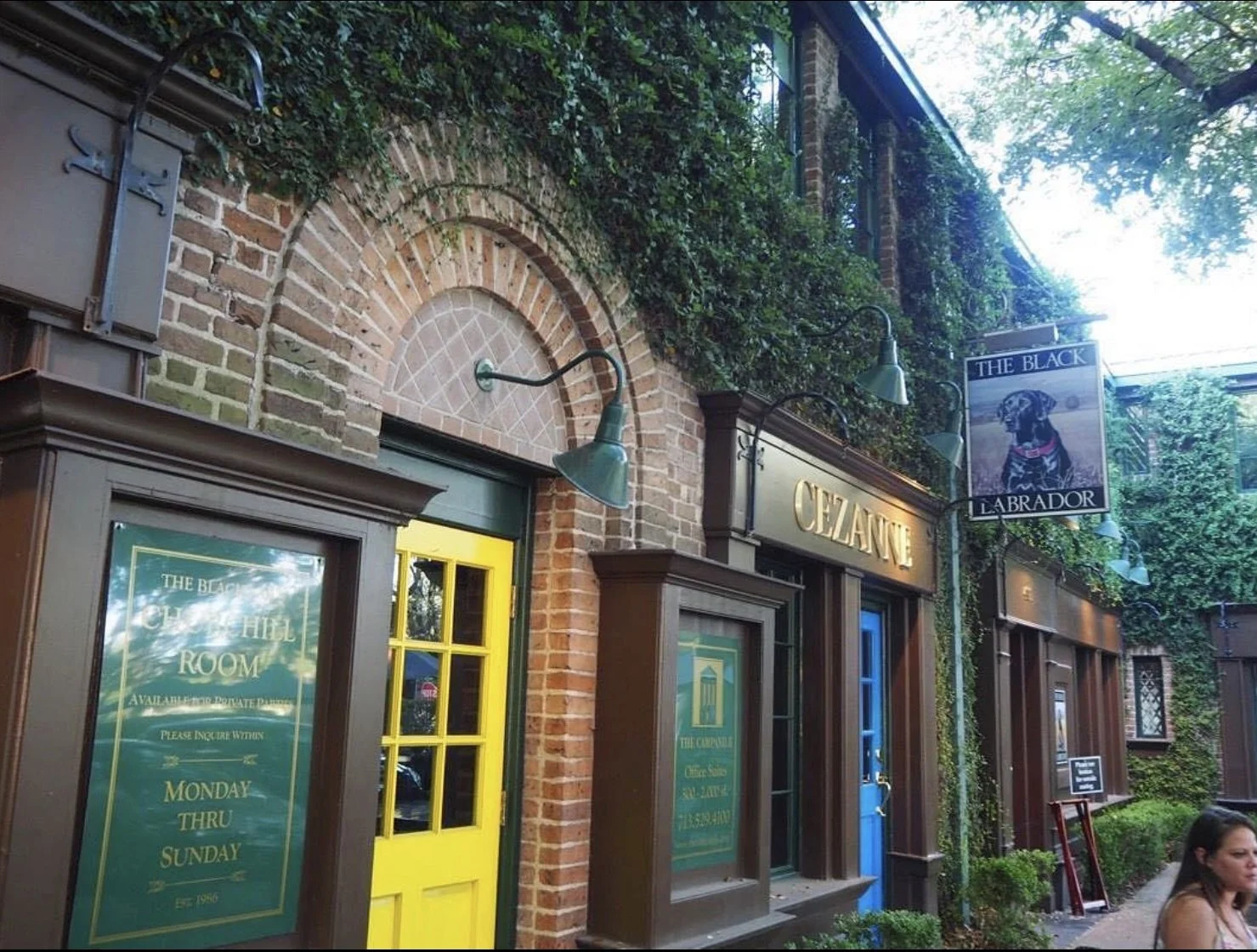
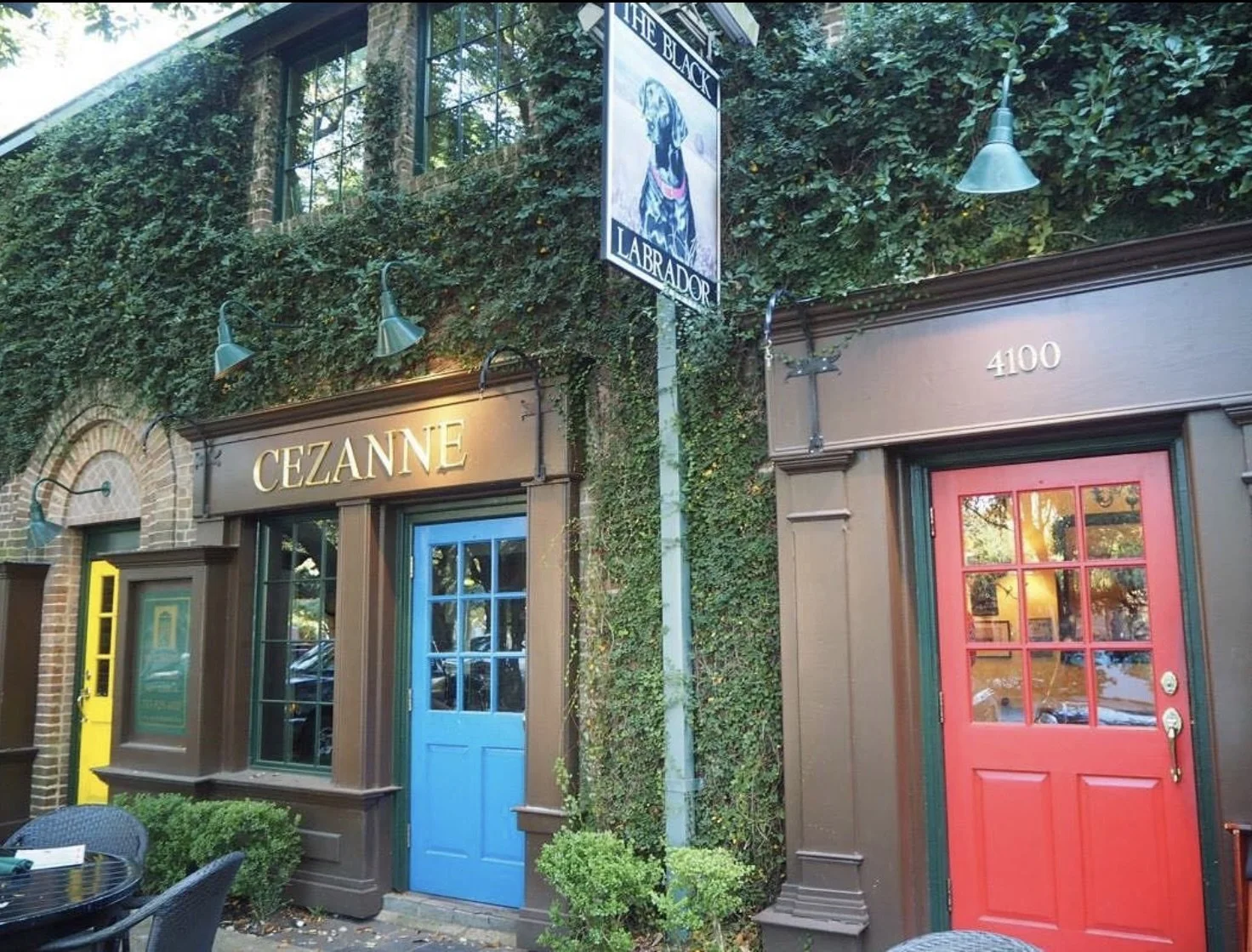
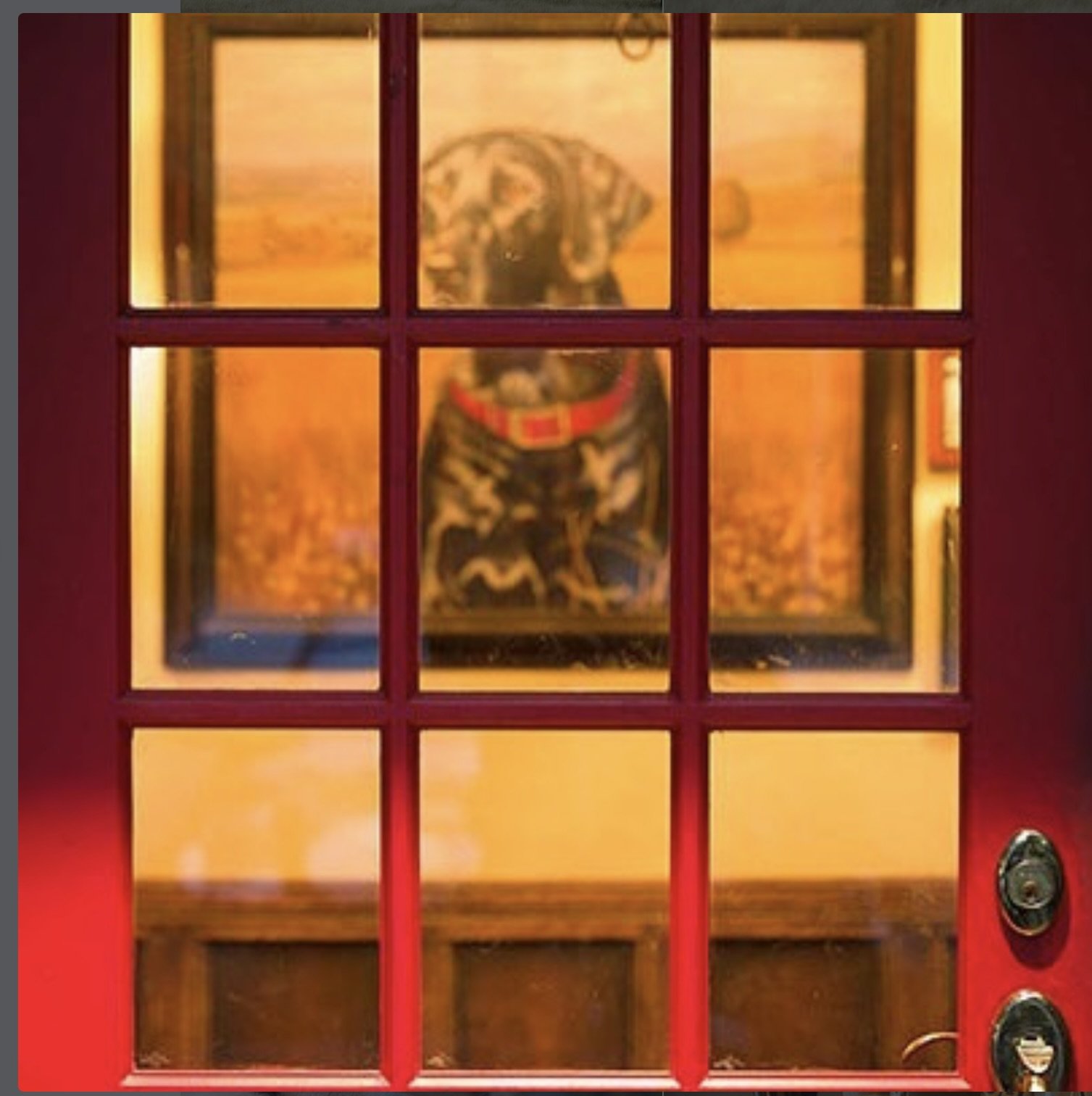
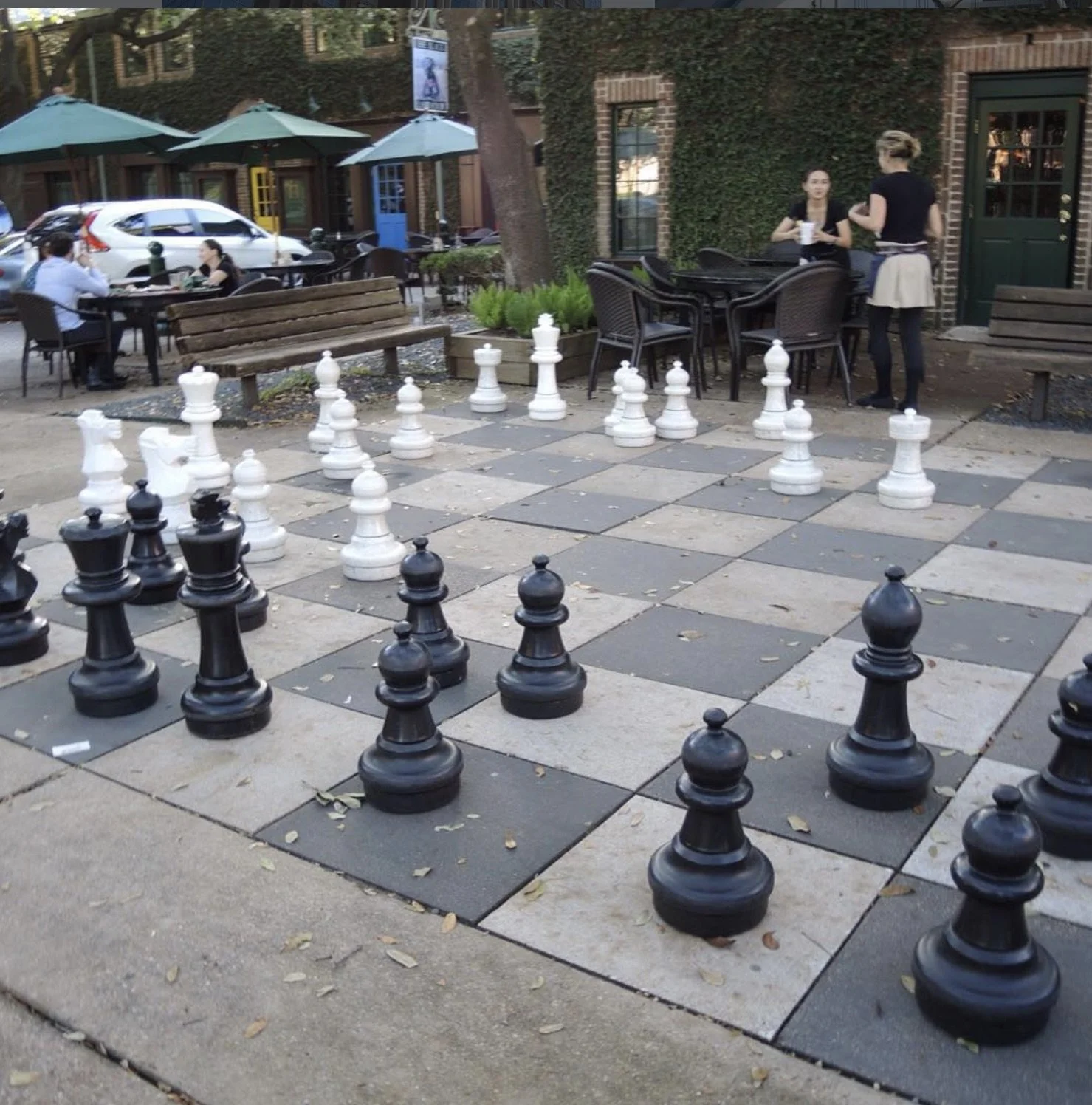
The chess board is still there. That's the thing I keep coming back to. UST bought the building, hung flower baskets where the tankard wall used to be, painted over the last of it — but out on the patio, under a corridor of trees that don't care whose name is on the deed, the tiles are still set into the concrete. The pieces are gone. The board isn't.
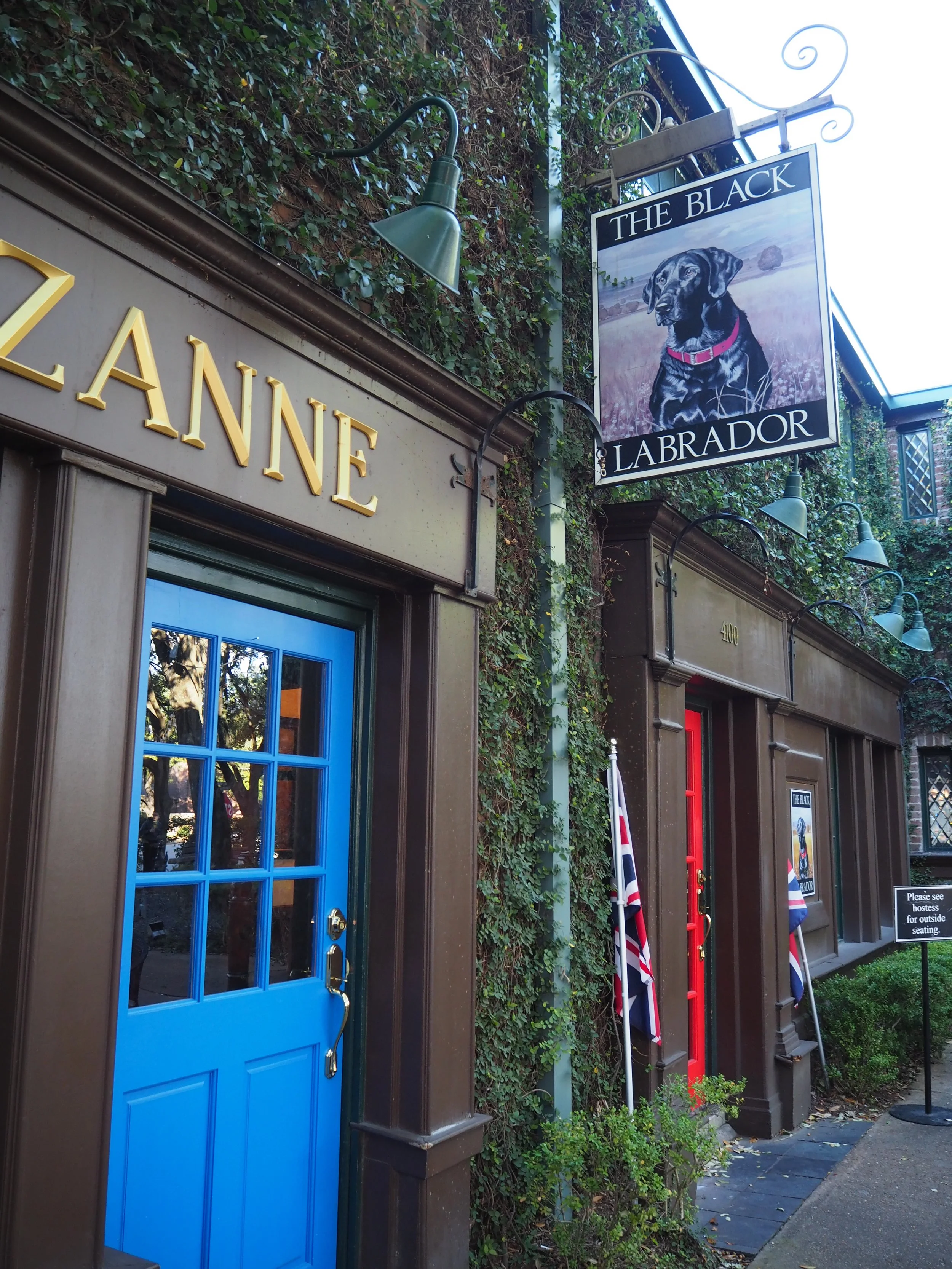
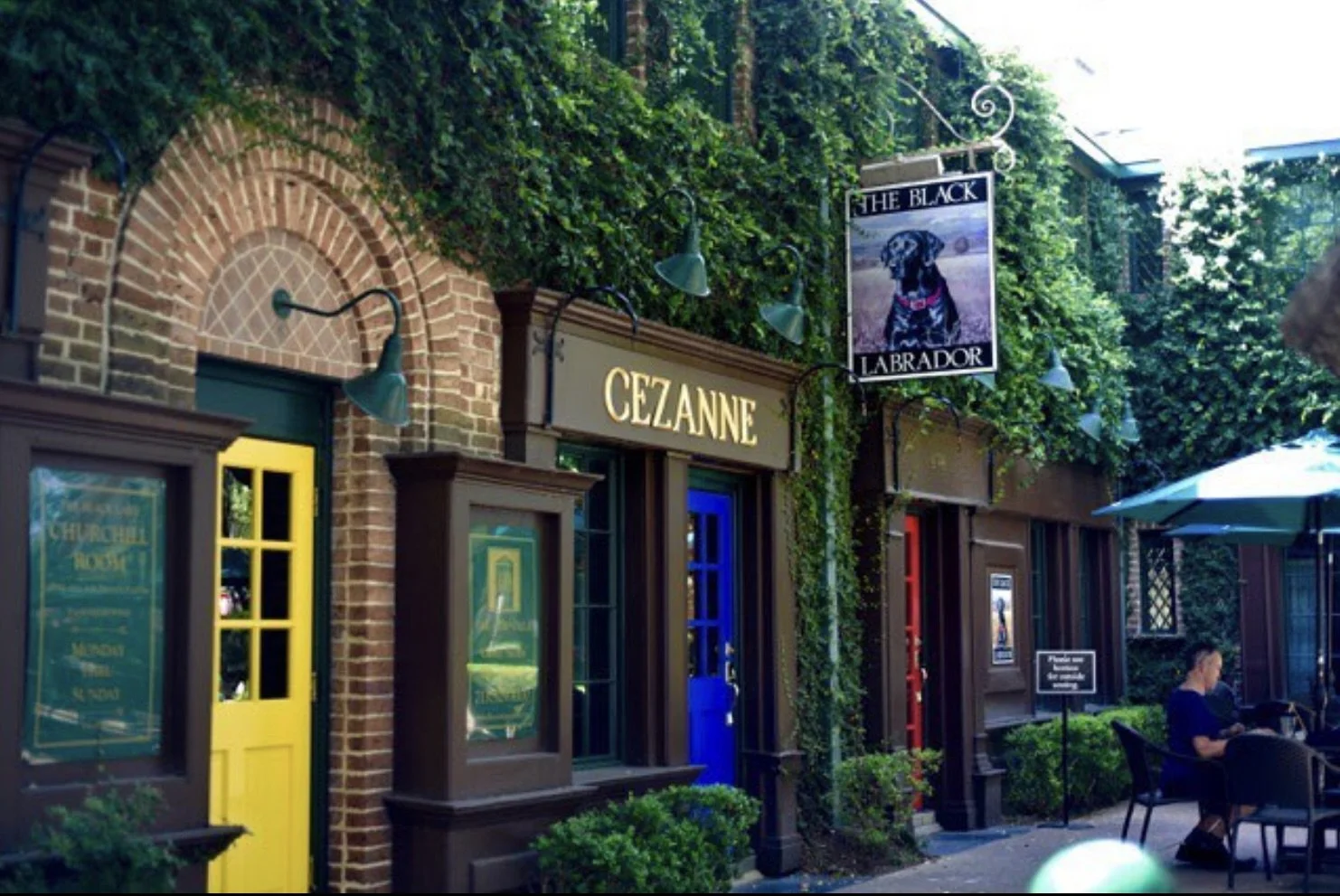
I found that out the hard way, riding back seven years after the doors closed for good, camera in hand, trying to figure out what I'd lost.
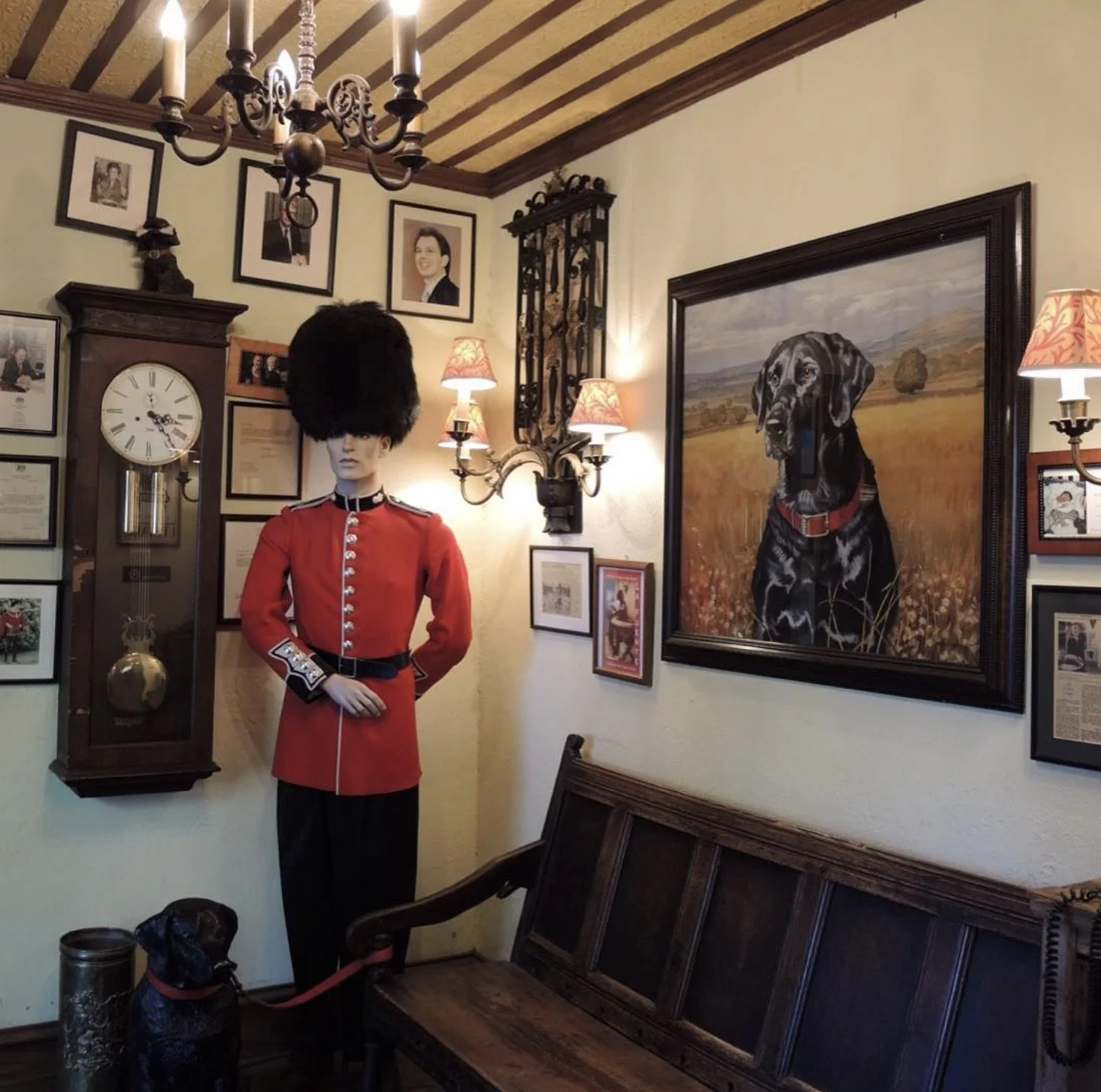
Stand Too!
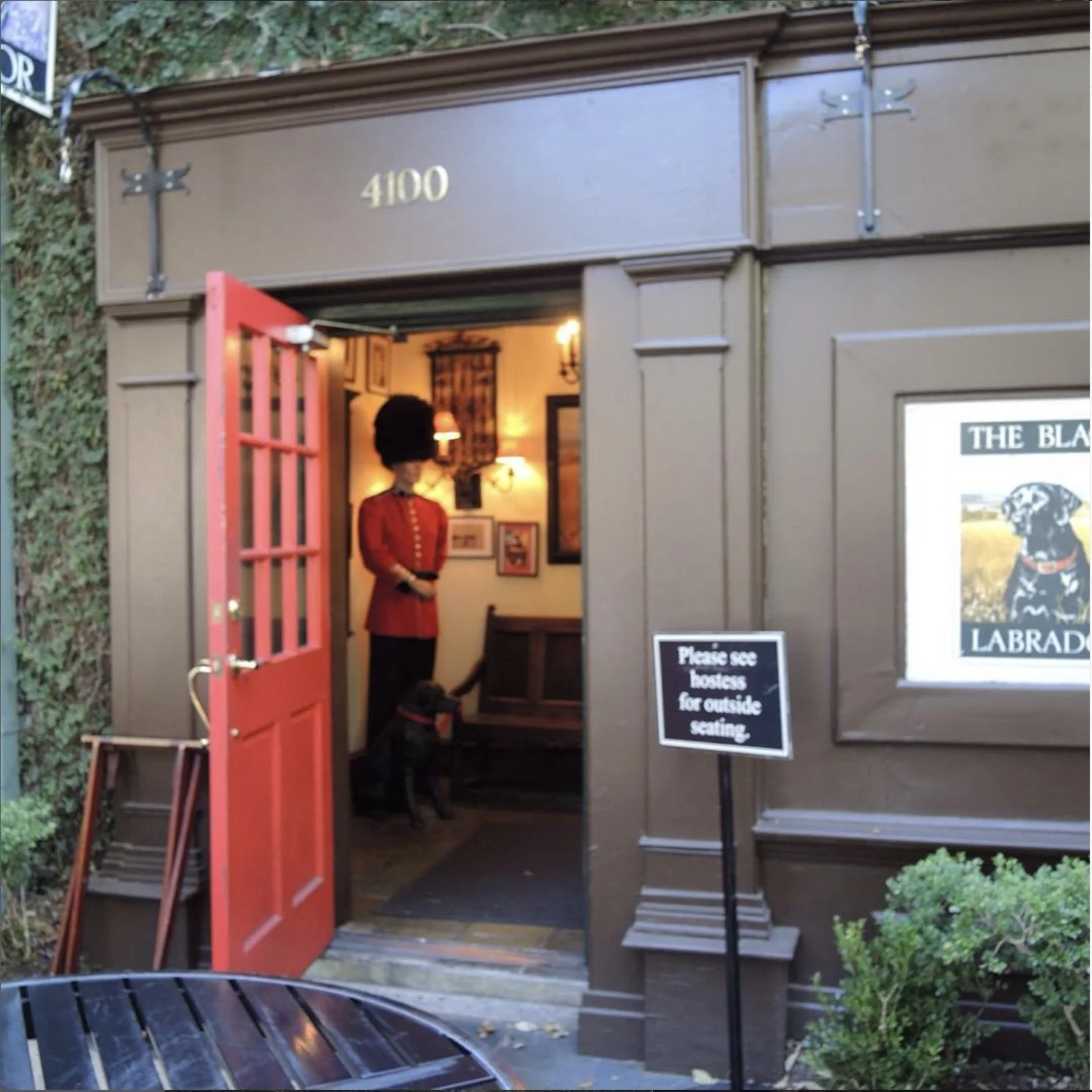
The Black Labrador was a sight to see from the outside — a red door, a wrought sign with a dog painted on it, ivy doing what ivy does to brick. And it was beautiful and magnificent inside. Inside it was England, or somebody's very convincing memory of it: a Queen's Guard mannequin standing sentry in the foyer, a grandfather clock keeping time nobody checked, a red phone box out front that worked about as well as English weather. Pewter tankards hung from the ceiling in a solid rack, monogrammed, mine among them. I still have it. I still have the coffee mugs too.
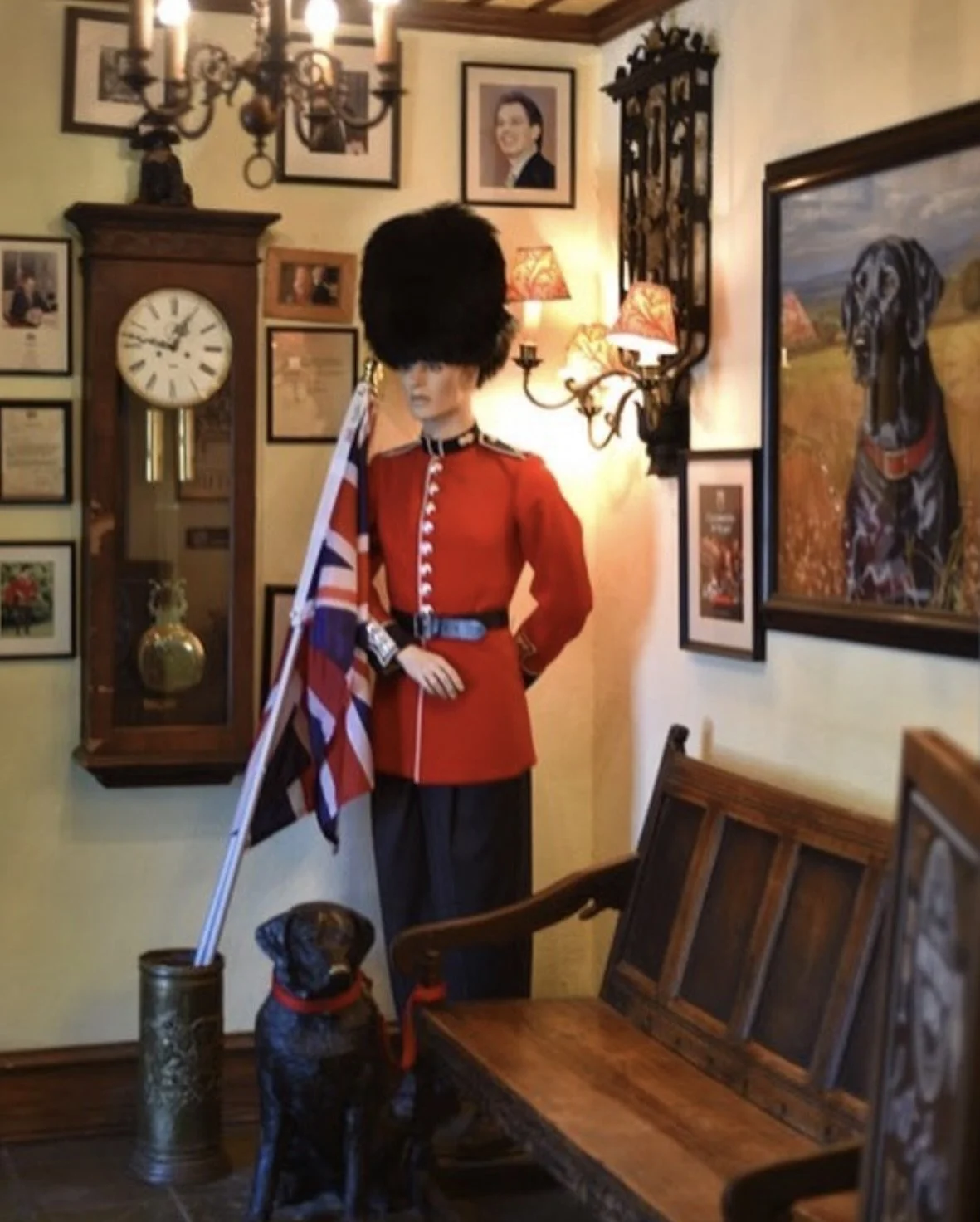
Make way for the queen's guard!
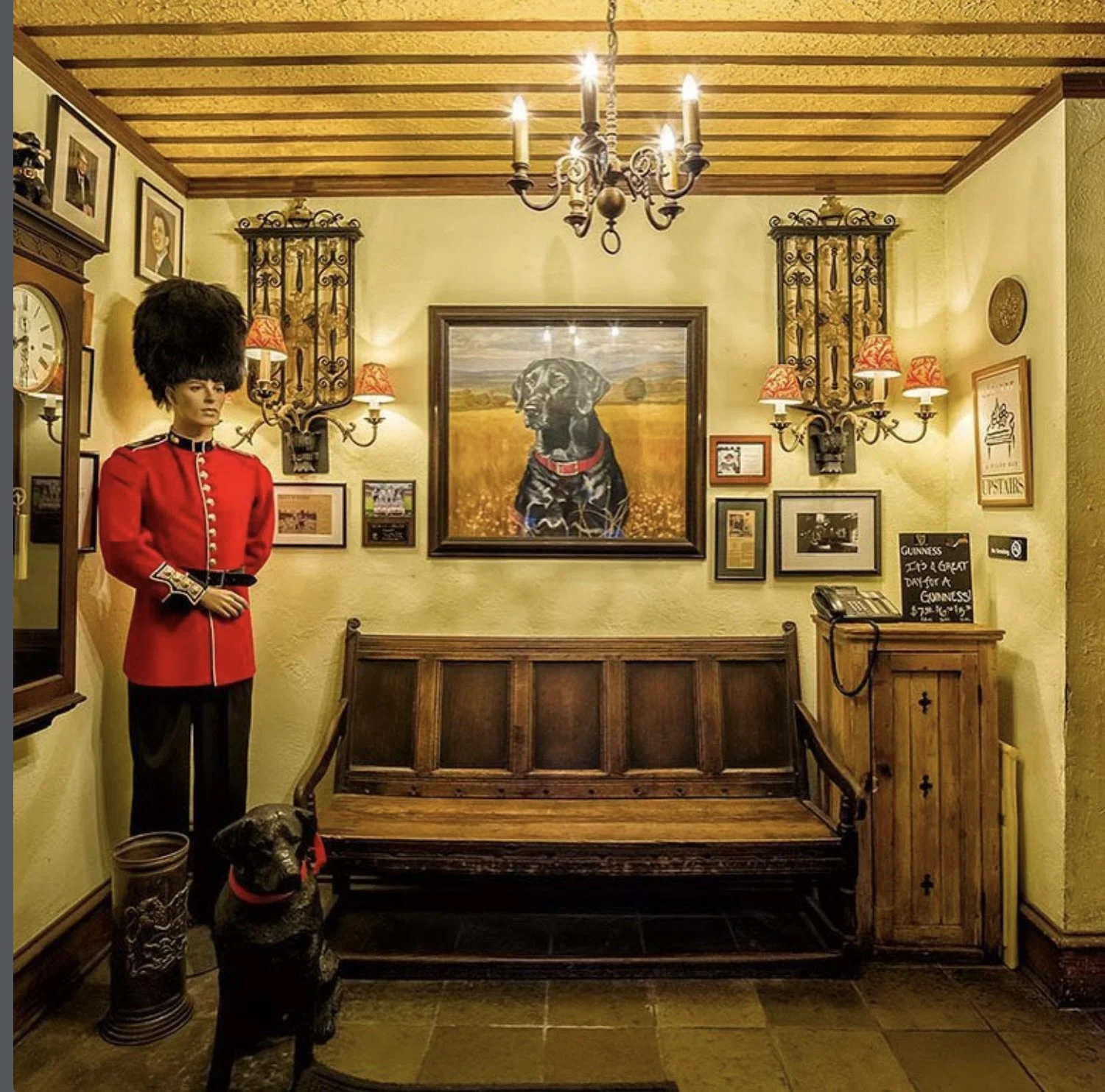
Queen's guard standing sentinel.
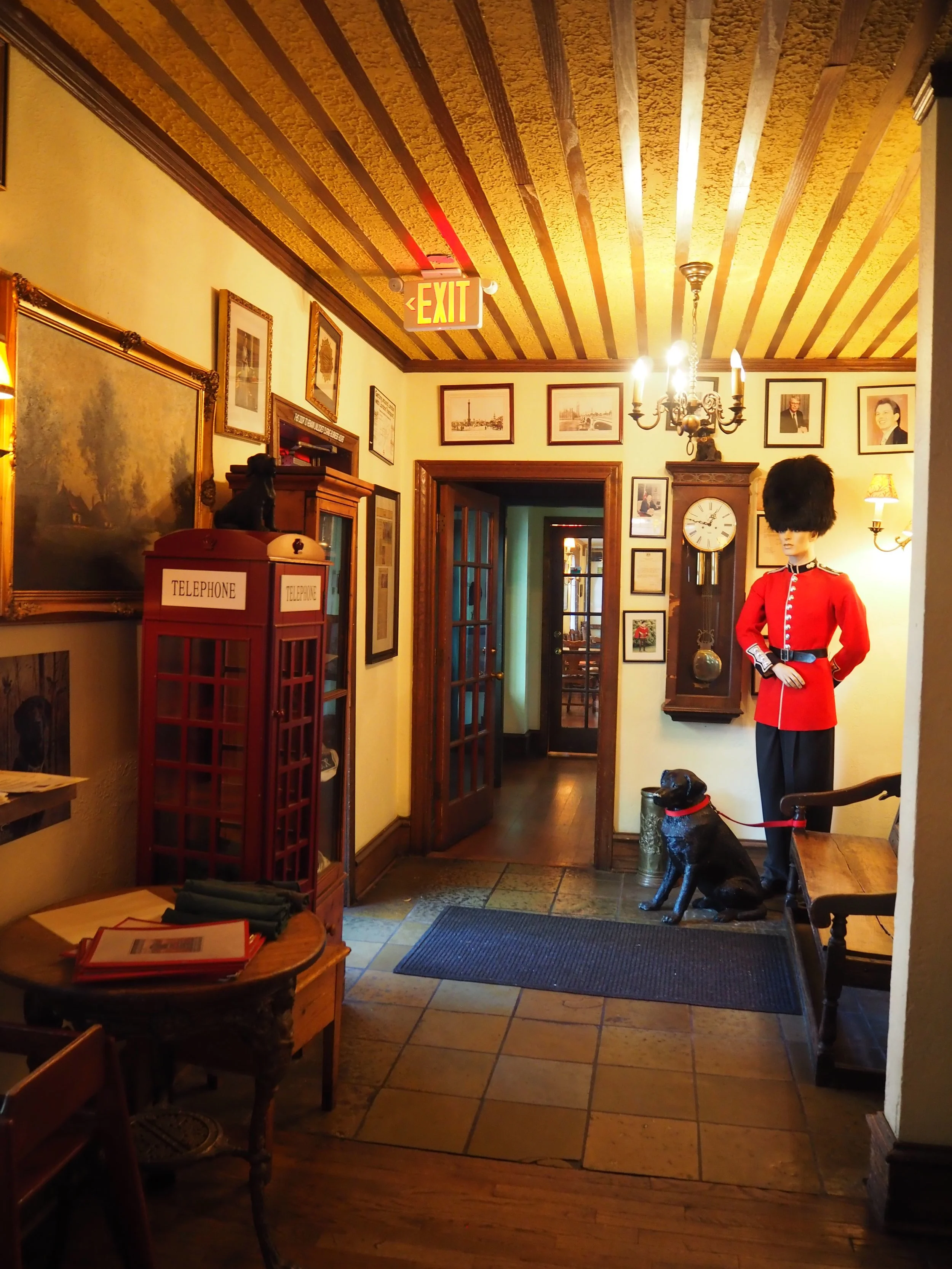
God save the Queen!
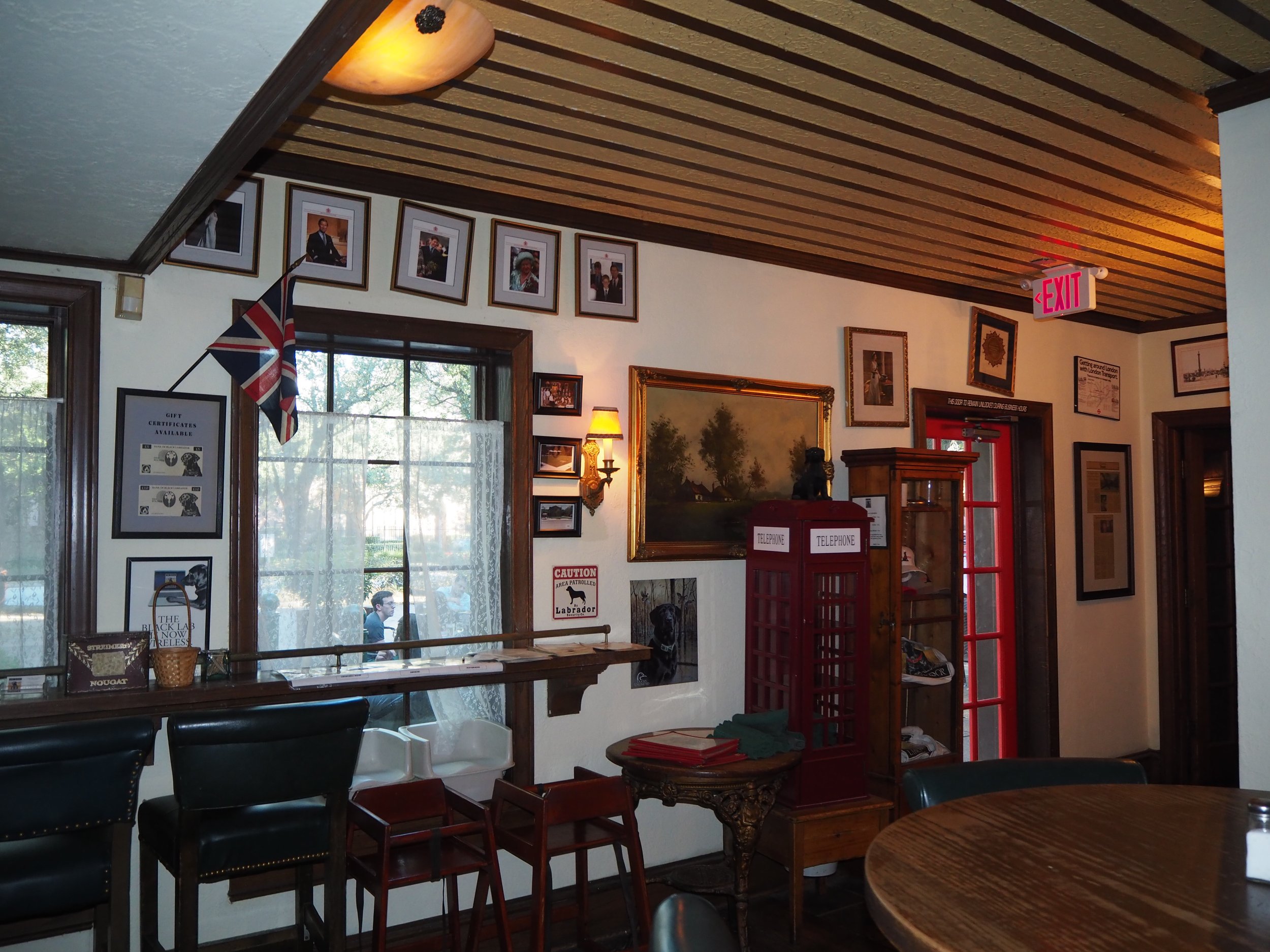
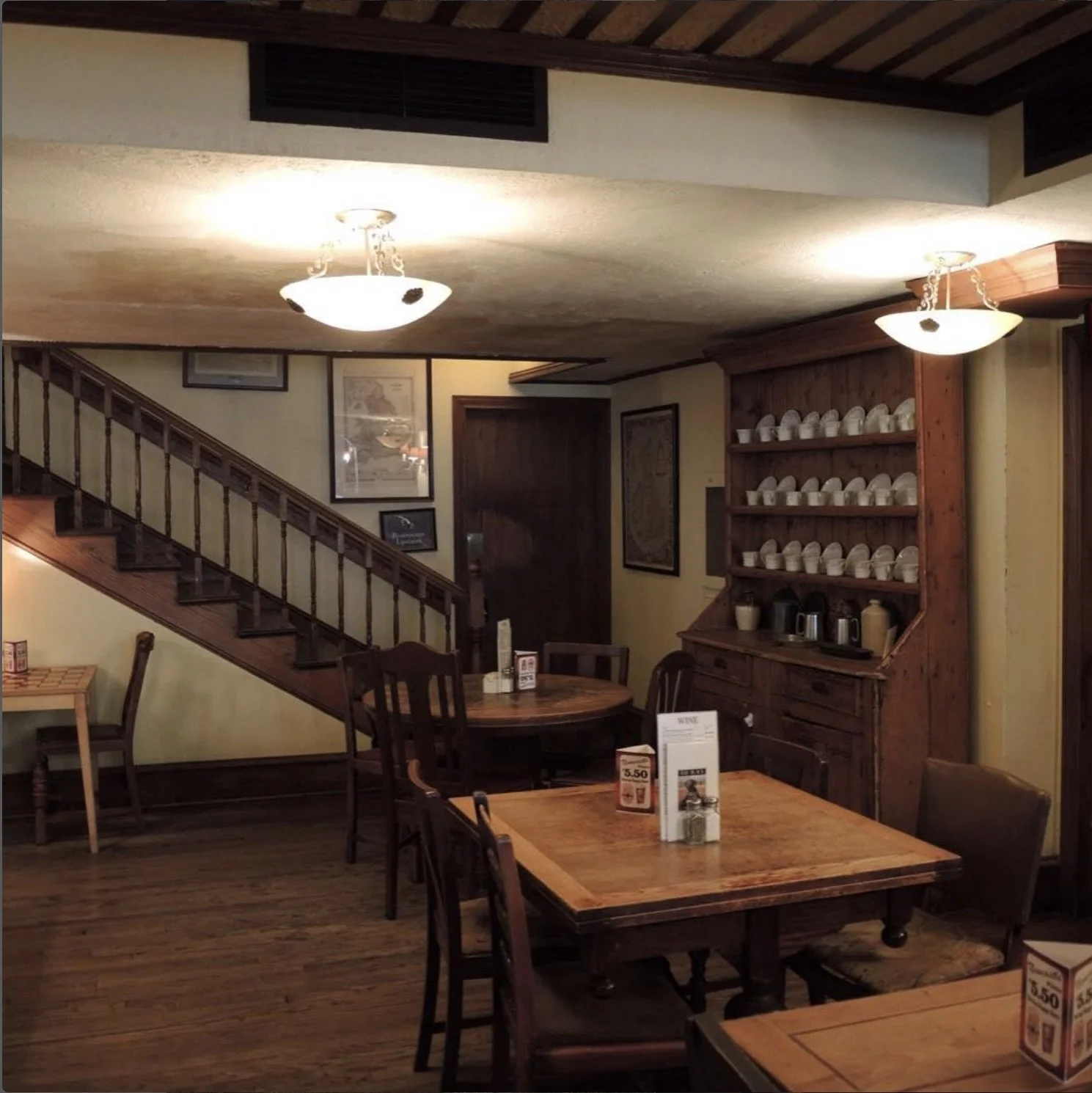
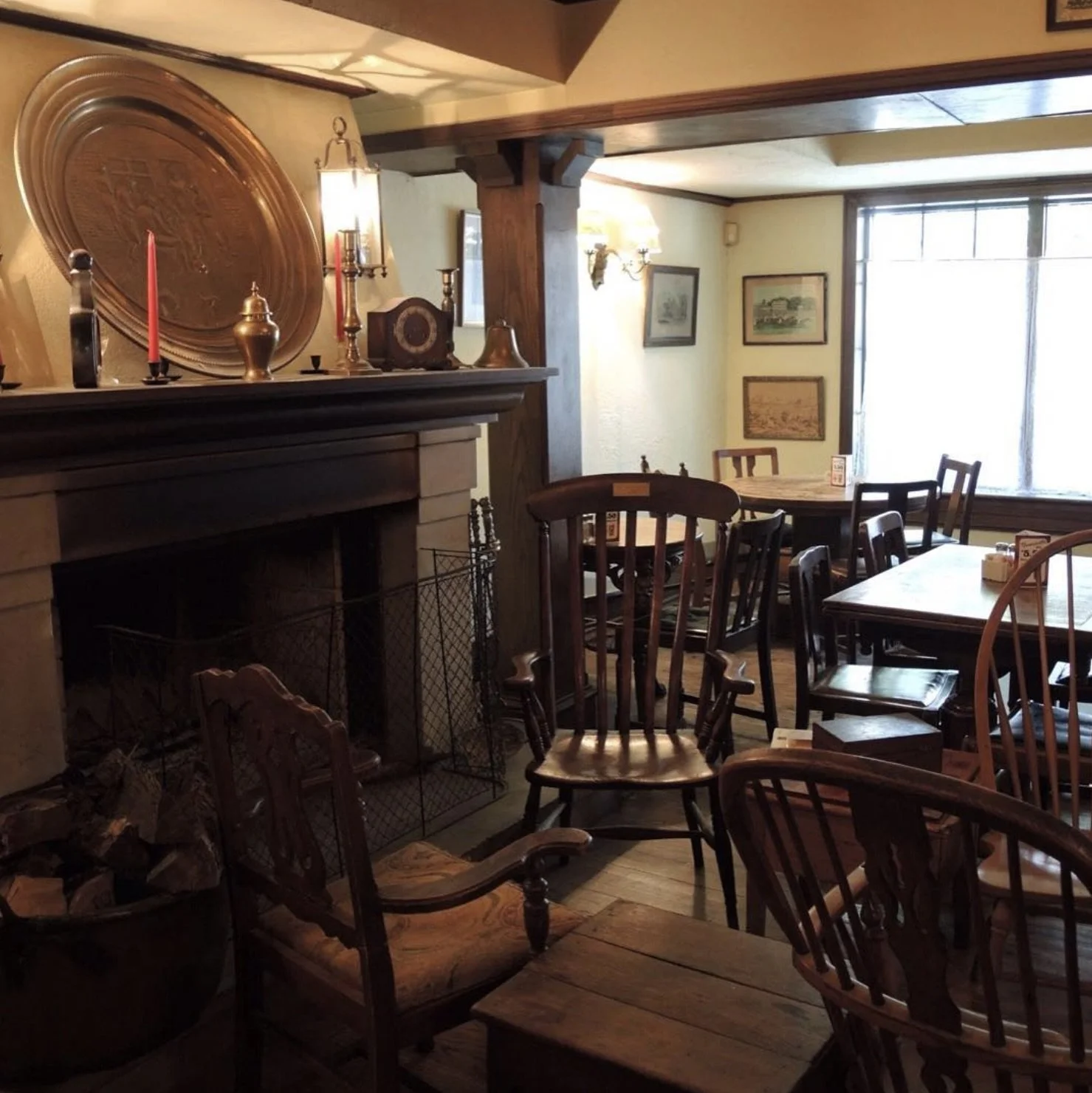
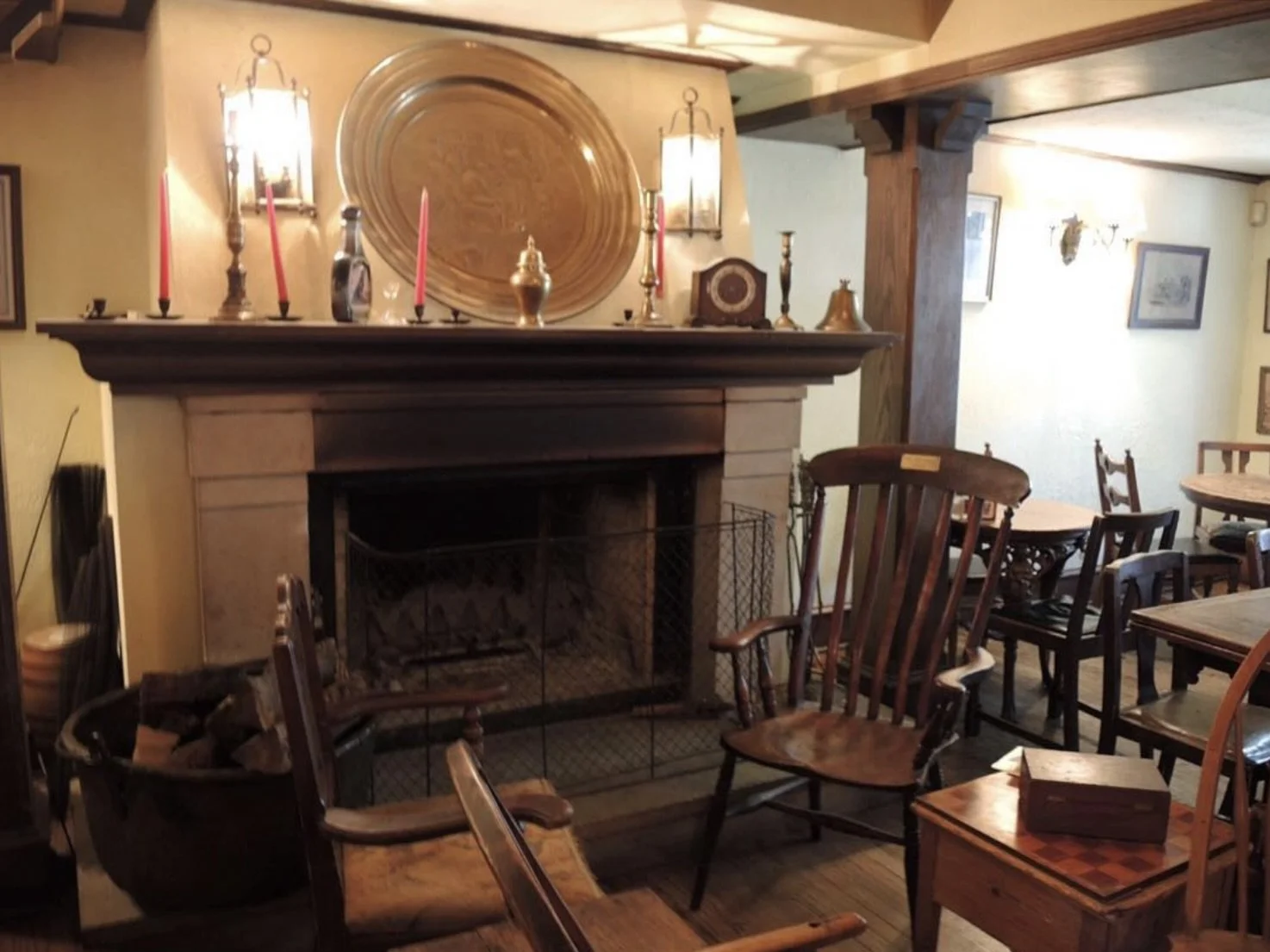
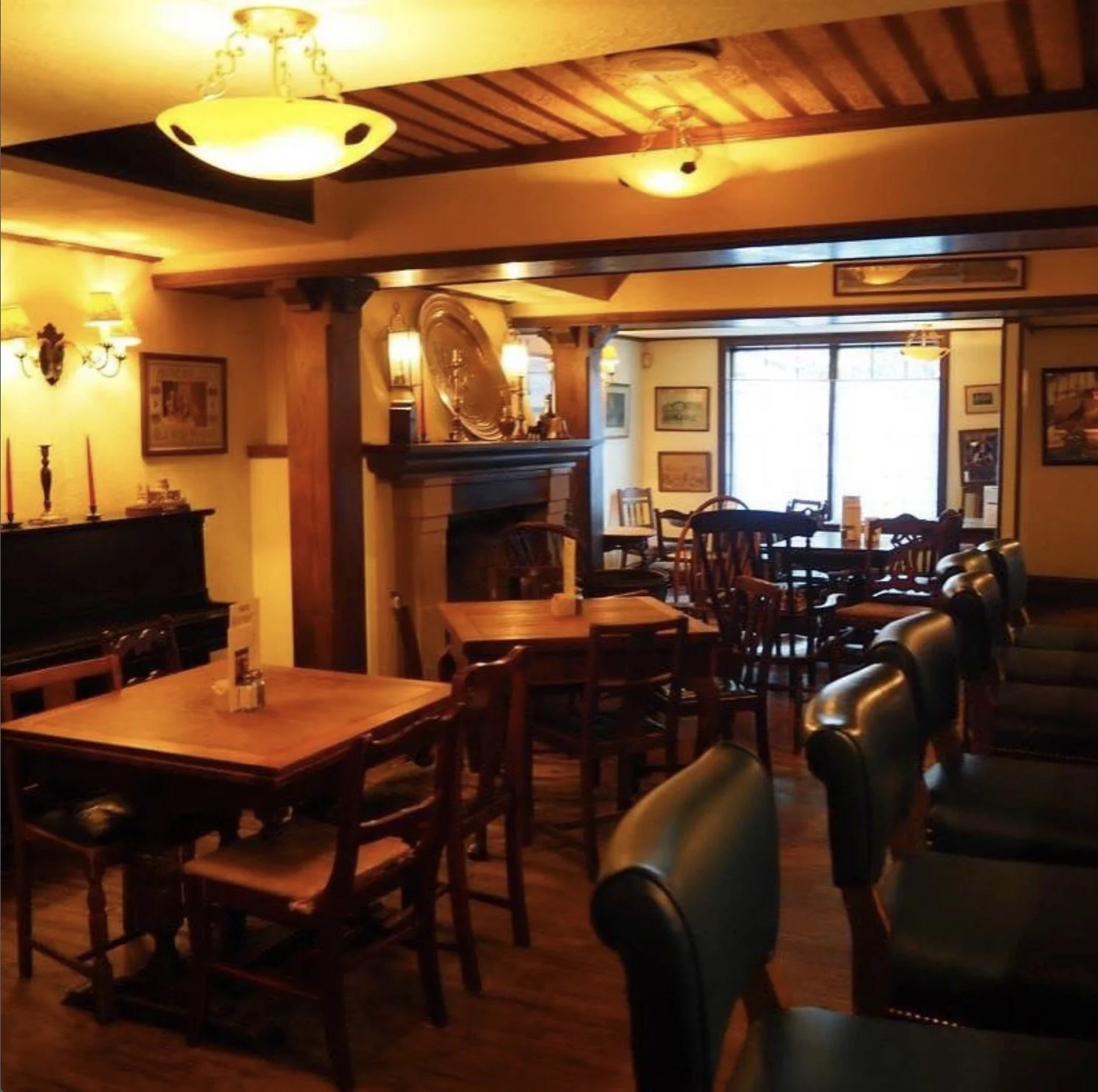
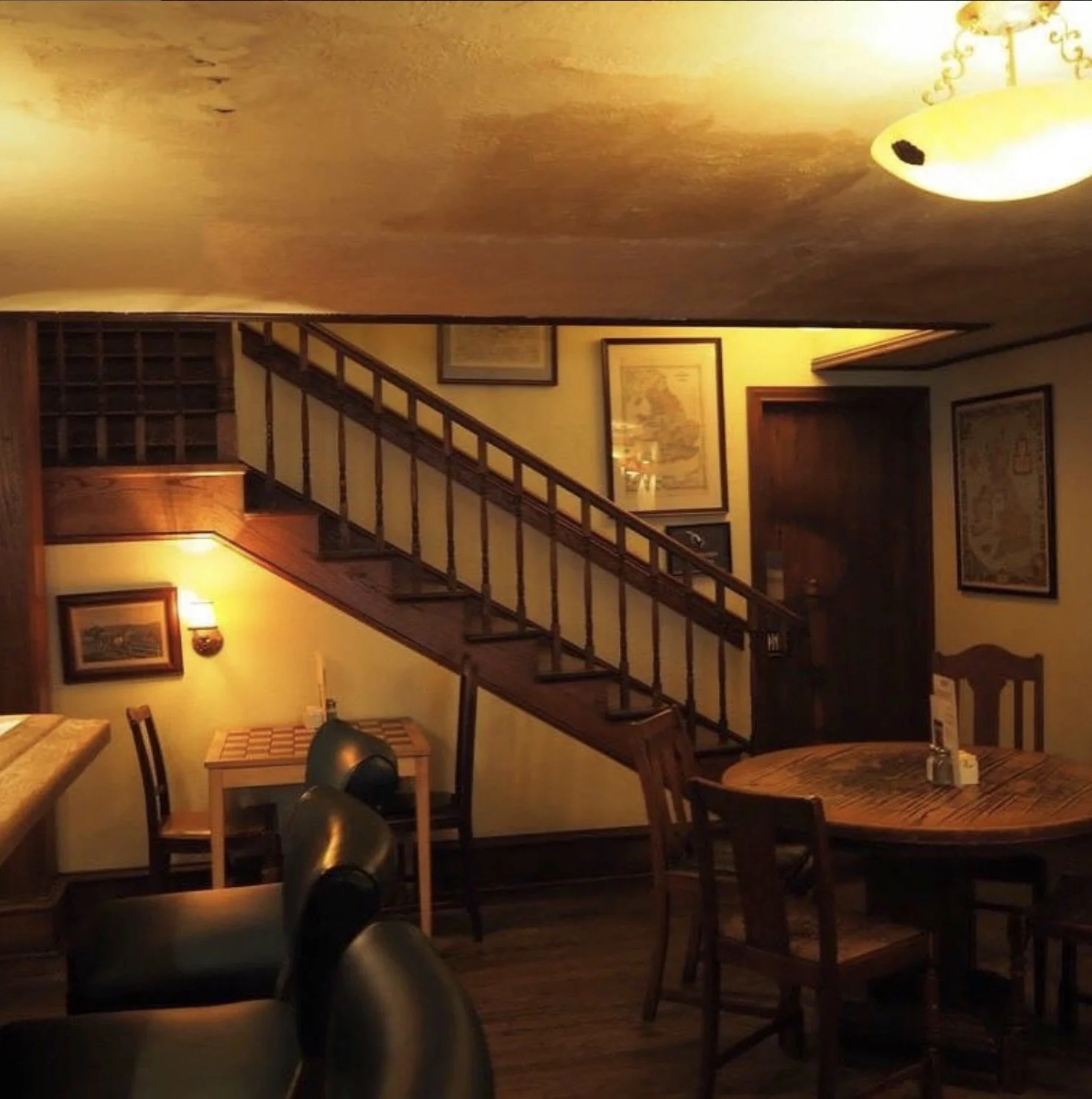
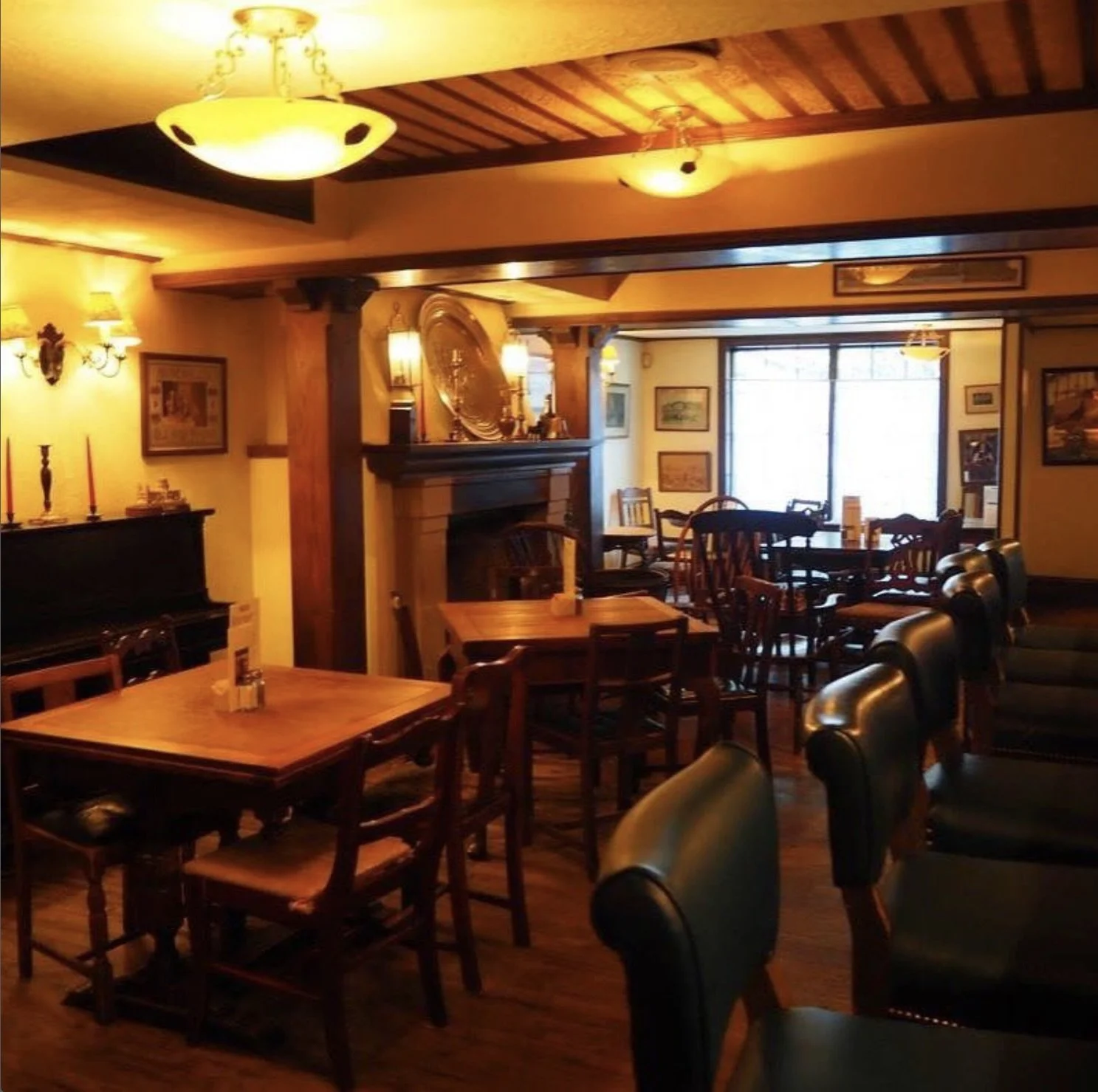
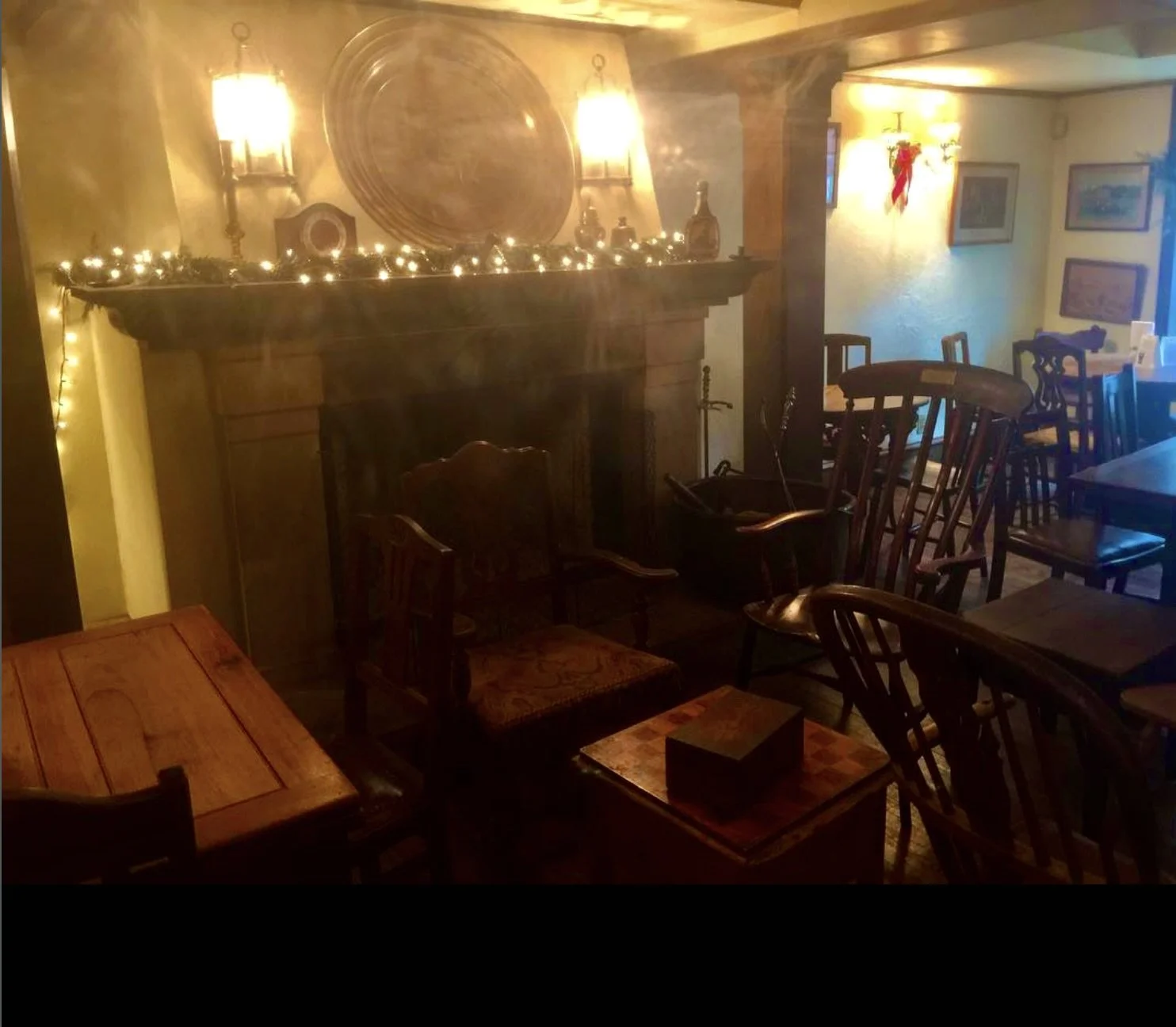
A Russian ran the place — a Muscovite expatriate who'd built an English pub in the middle of Houston and staffed it with the daughters of other expatriate families, Russian, Ukrainian, Georgian. I spoke Russian with them across the bar more nights than I can count, which is its own kind of strange when you think about it: a lawman from South Texas, ordering a ginger ale in a language that wasn't his, in a pub that wasn't English, in a city that wasn't either one.
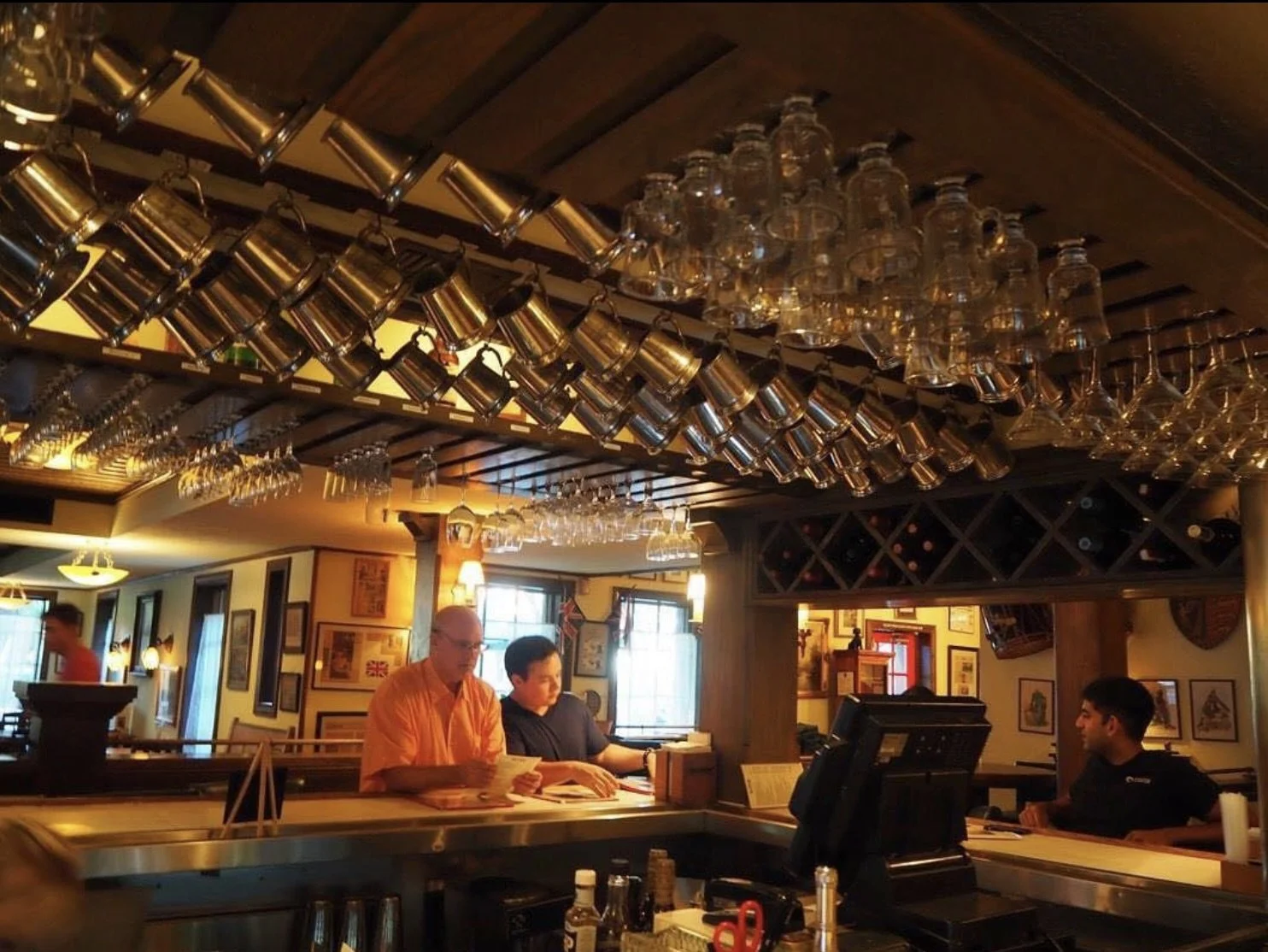
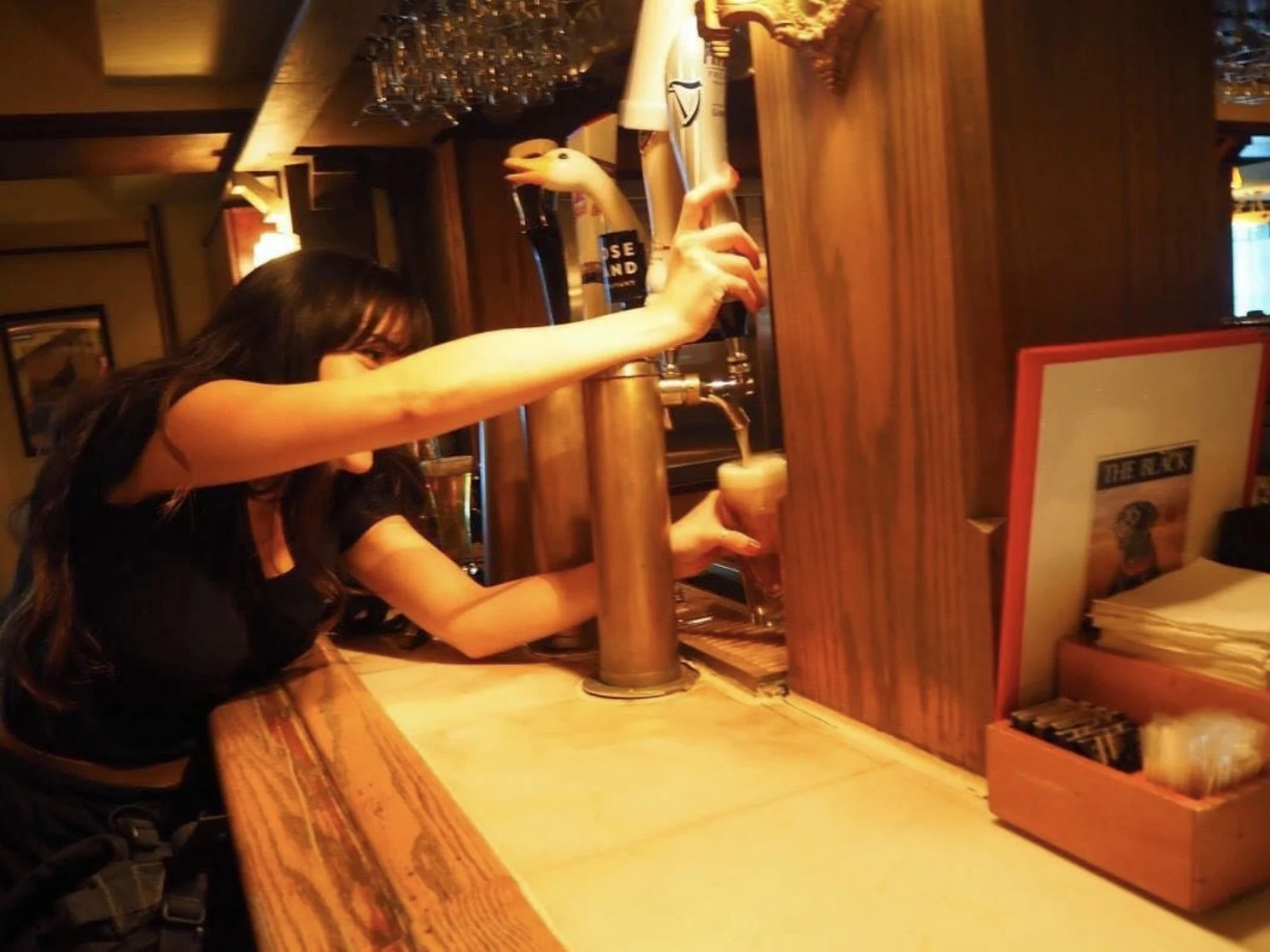
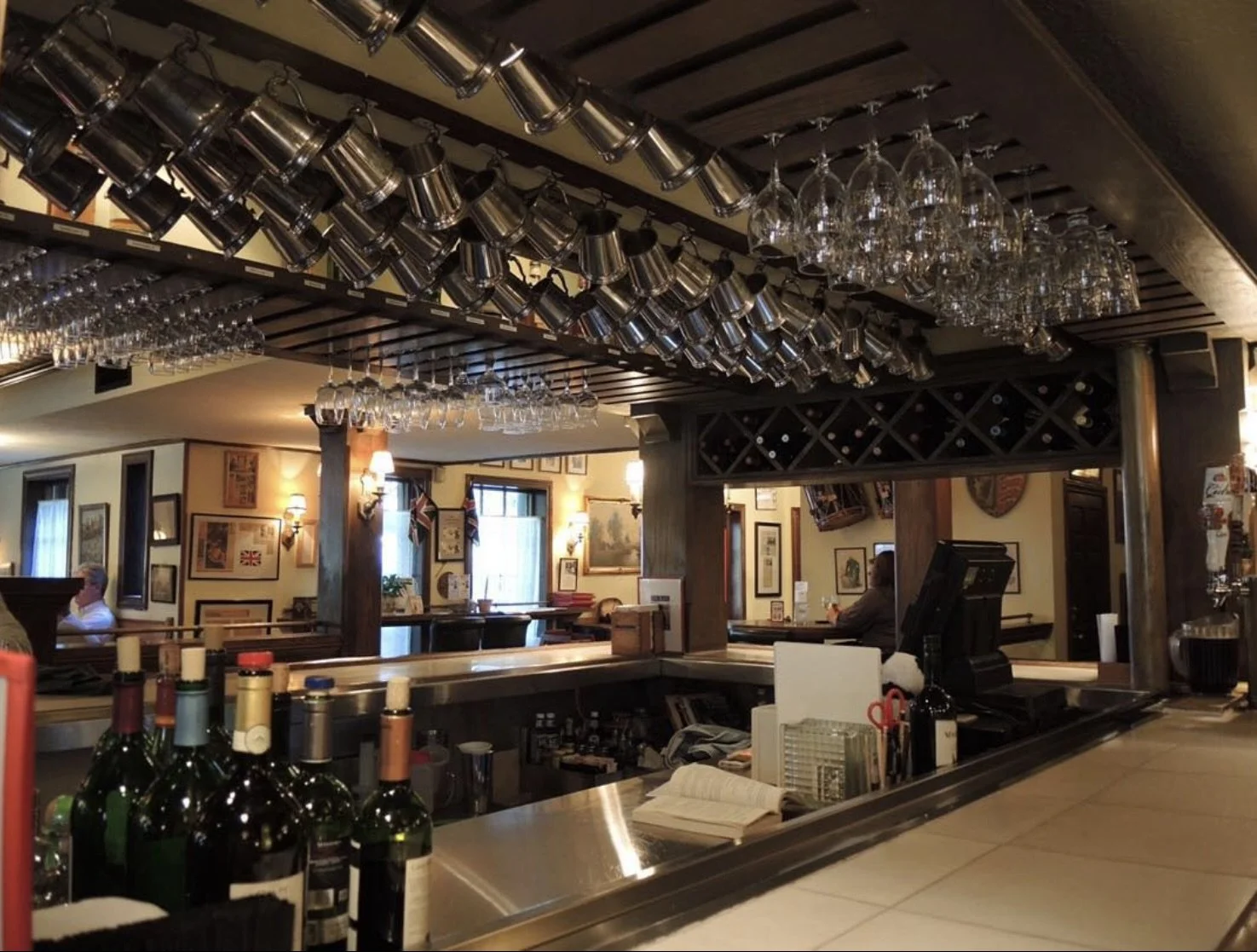
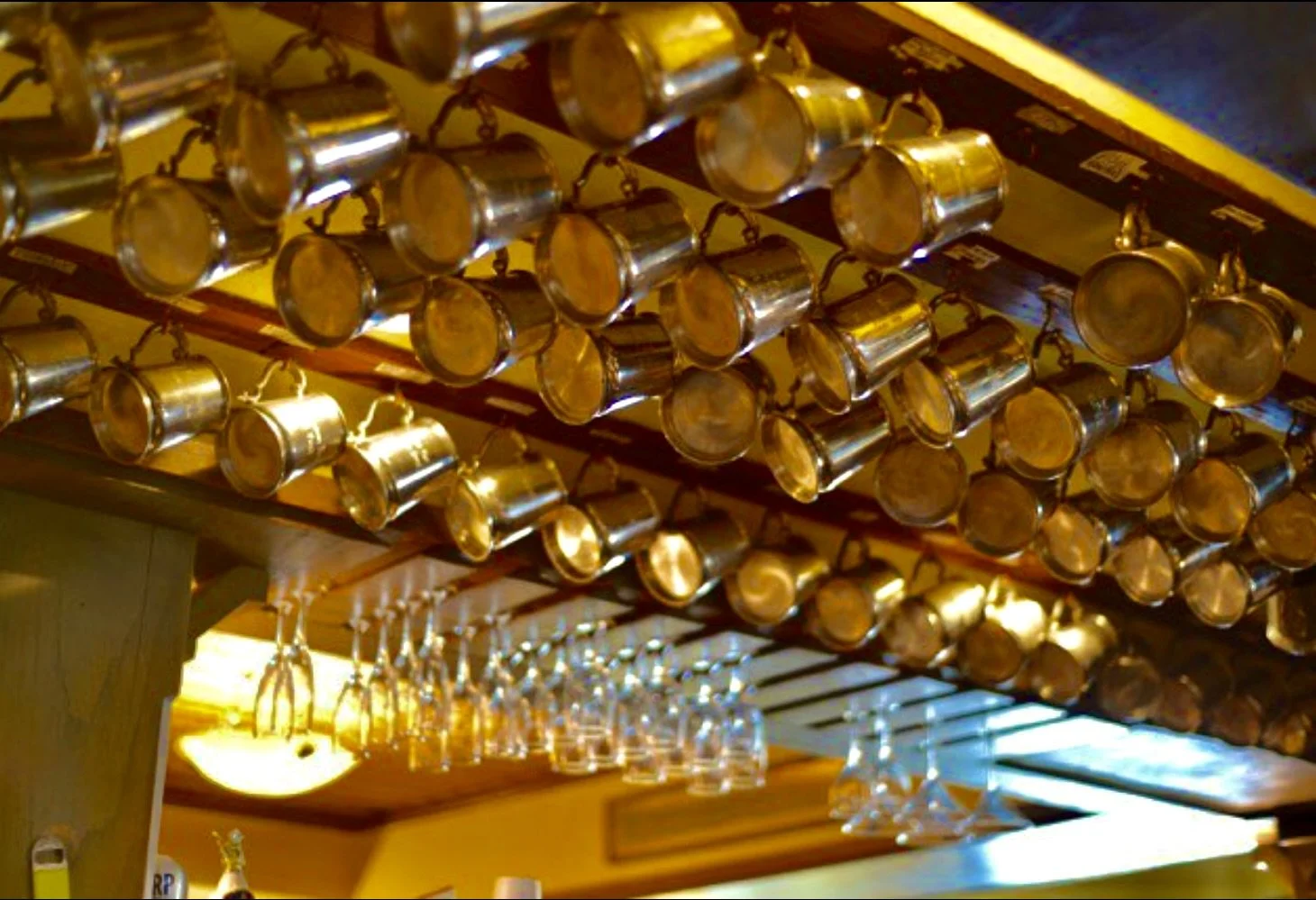
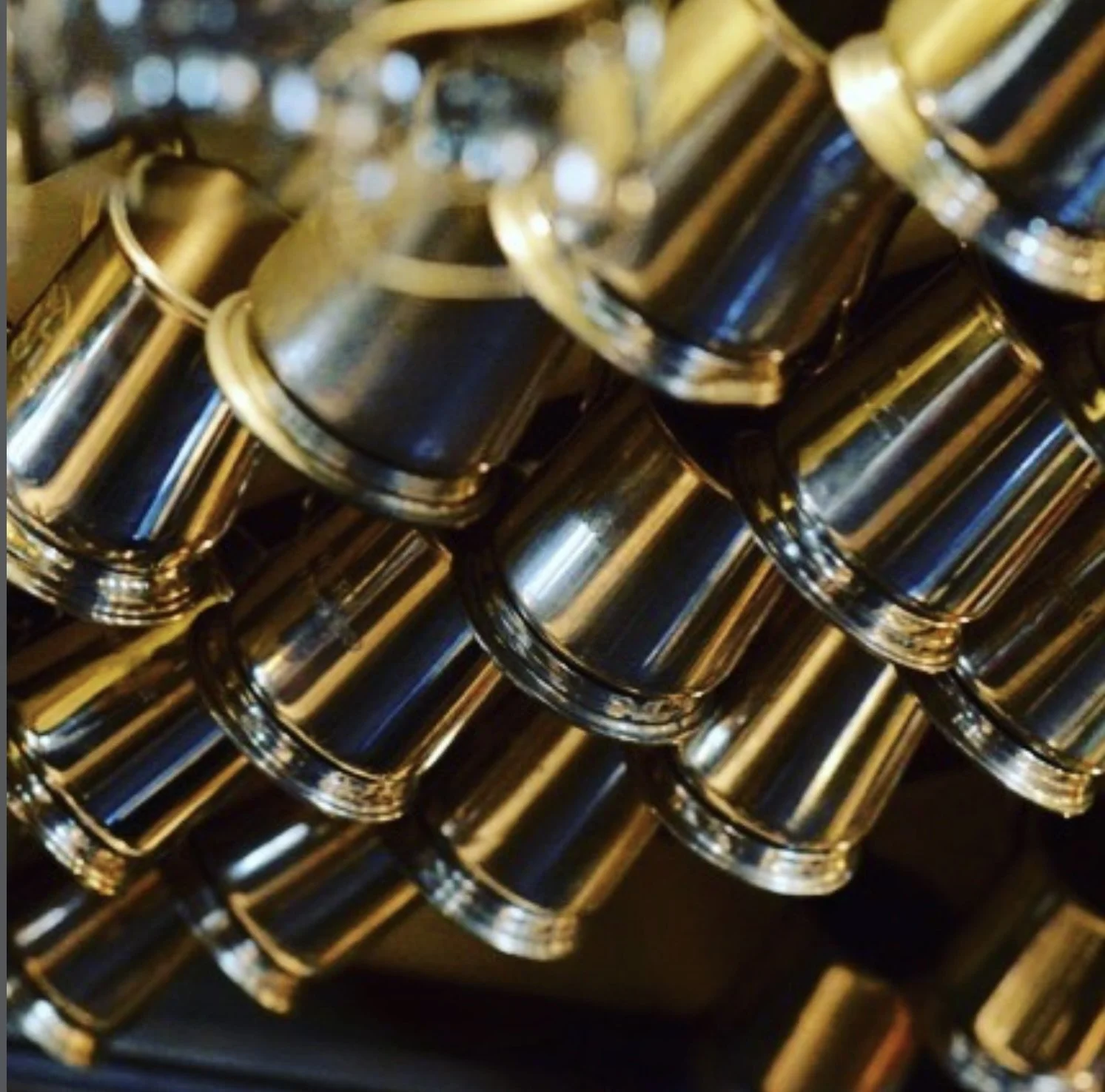
Regulars could have their own pint made with their name on it and hanging for them.
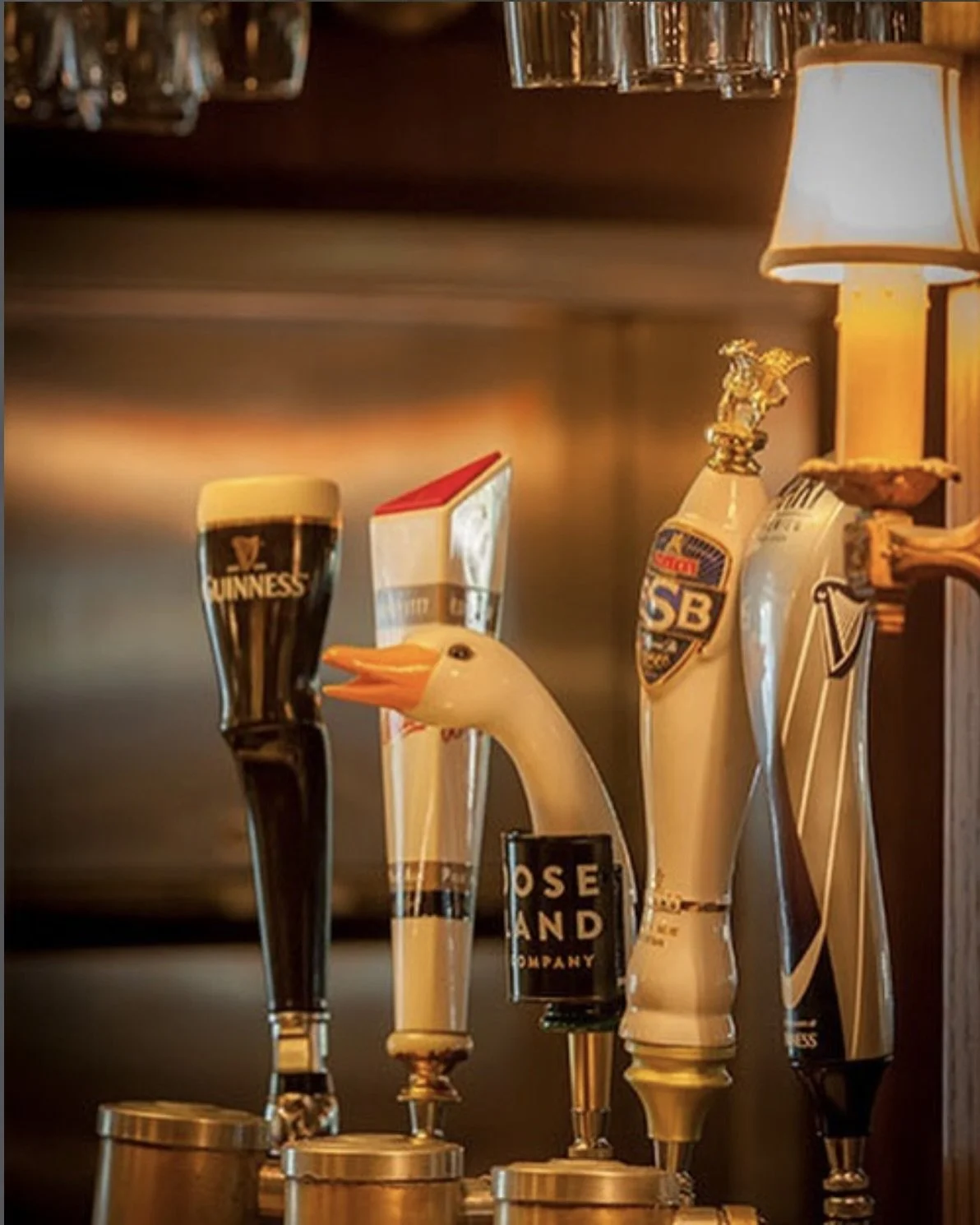
what was served at the bar.
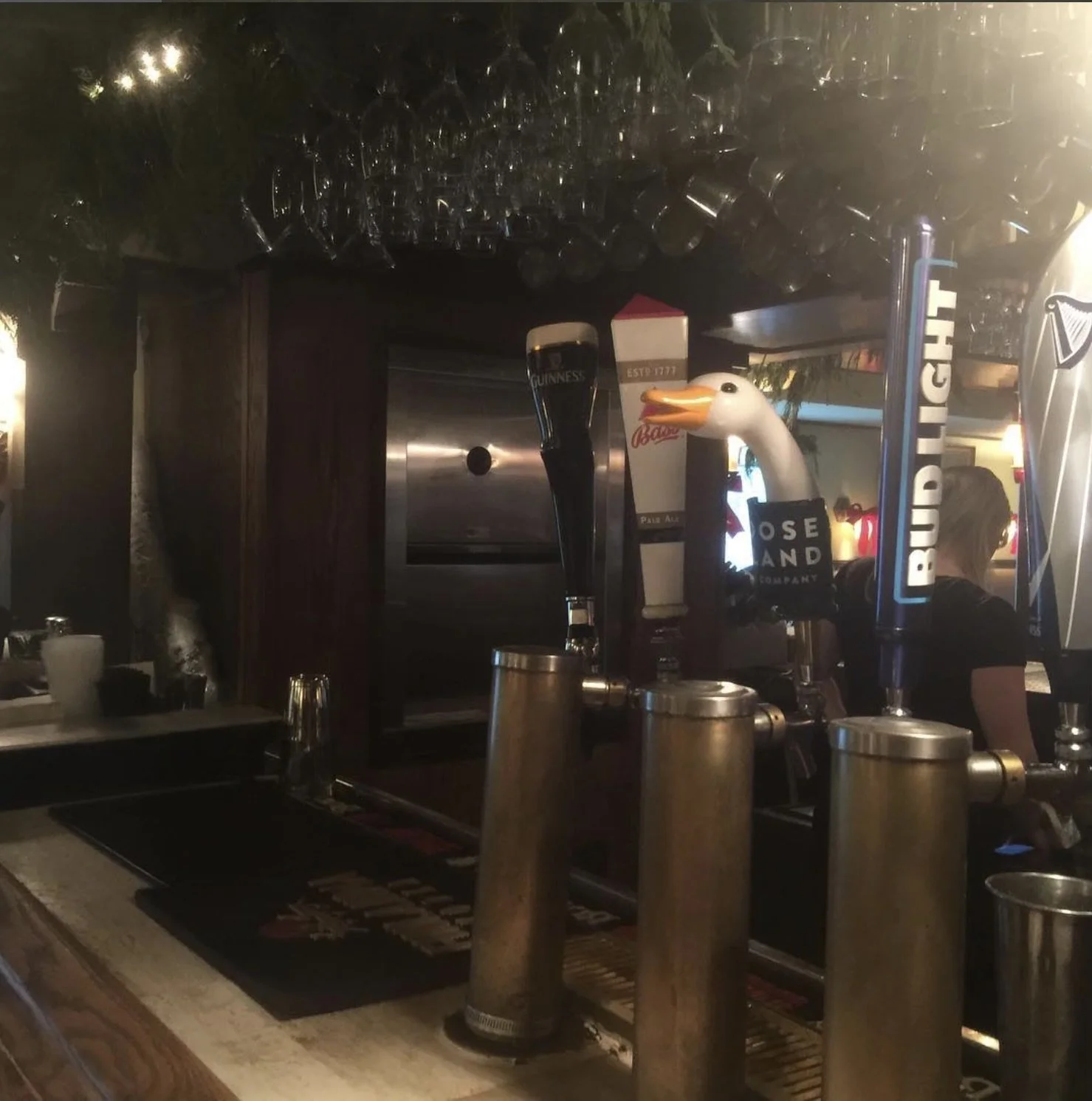
I went for the fire and the books, mostly. Winter nights with Hawthorne or Eliot or Dostoevsky, tea going cold, the hearth doing the work. I rode my motorcycle over after classes and played timed chess with colleagues from St. Thomas at the indoor tables — the kind of games where you're not really playing chess, you're playing the clock, and somewhere in there you stop noticing the difference. Sunday nights were amateur Irish folk. Thursdays were rebel songs, the real ones, the kind that mean something specific to the people singing them.
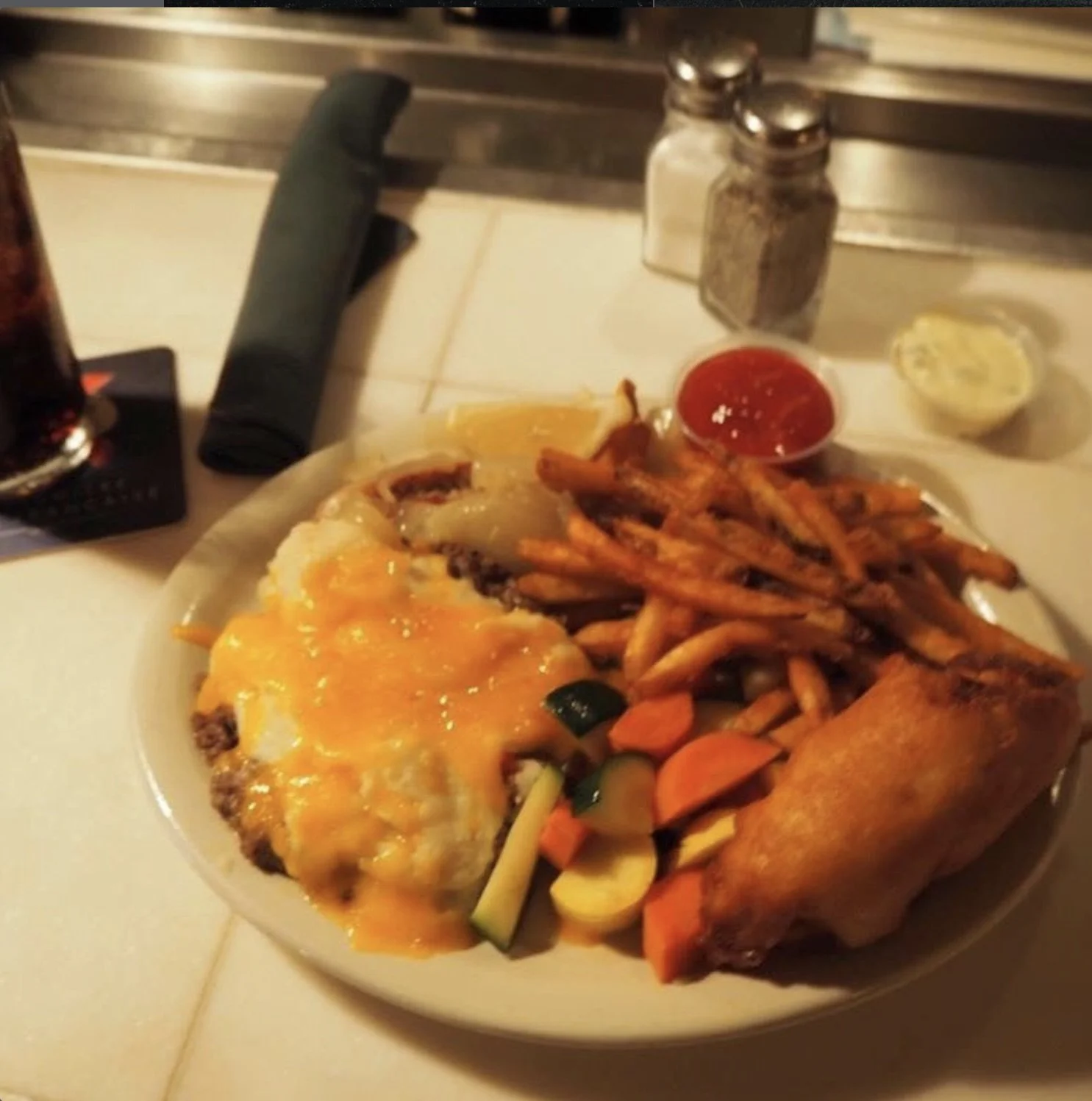
Shepherd's pie was the best!
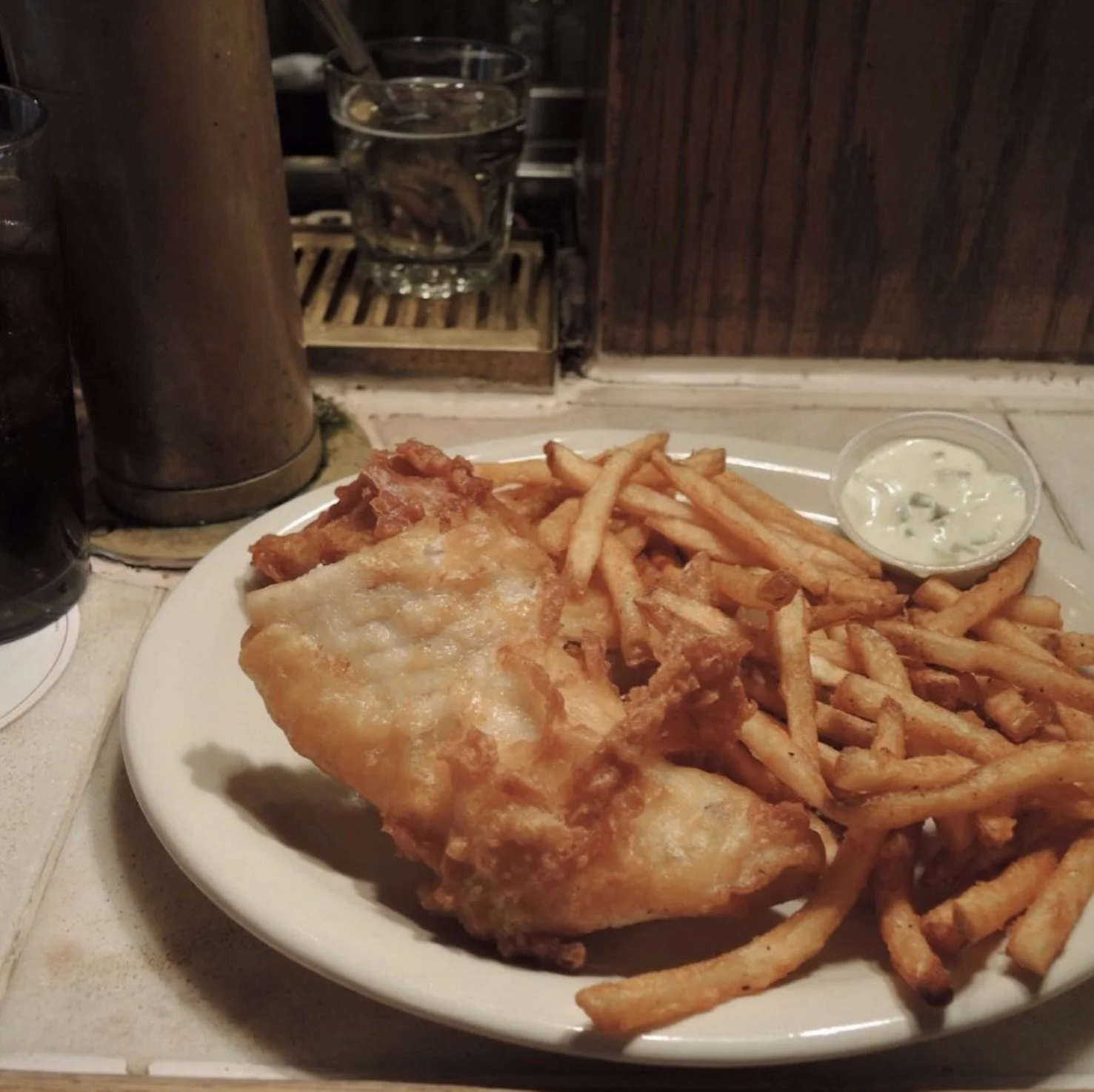
And of course fish and chips!
The pub hosted fundraising on those nights, and one evening I found myself standing at the bar rail next to a man who was, by any account, an actual republican leader — someone whose politics ran through a history I'd only read about. Neither of us drank. We stood there, two teetotalers, each holding a glass we weren't going to finish, in a Russian-owned English pub in Texas, while a room full of strangers sang songs about a war neither of us had fought.
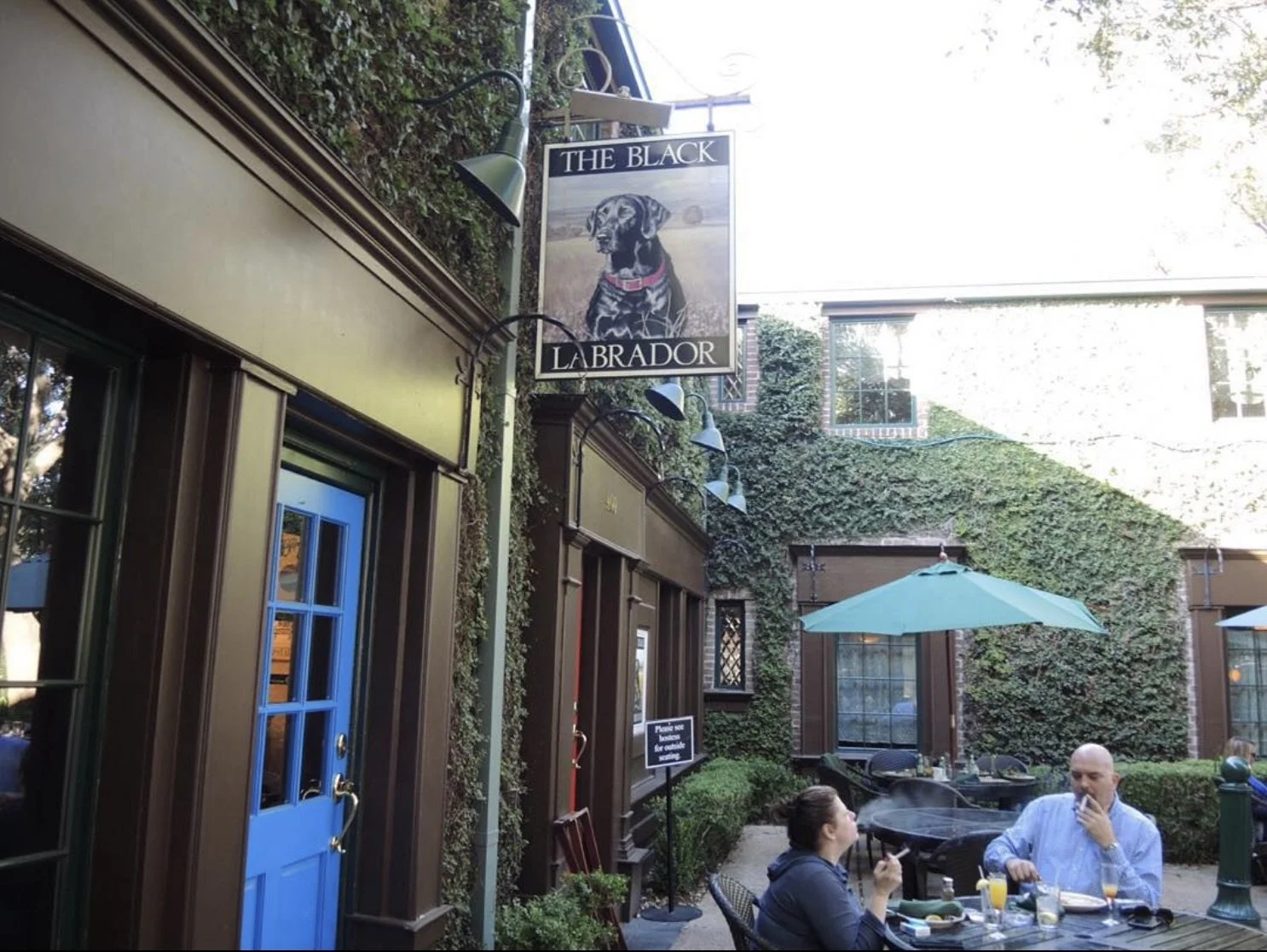
I've thought about that a lot since. I don't think it was a coincidence that a place built entirely out of borrowed identity — Russian owner, English theme, Irish nights, American city — was the one place where that moment could happen without anybody remarking on it. The Black Labrador didn't ask you to explain yourself. It just handed you a tankard and assumed you'd earn your spot on the wall eventually.
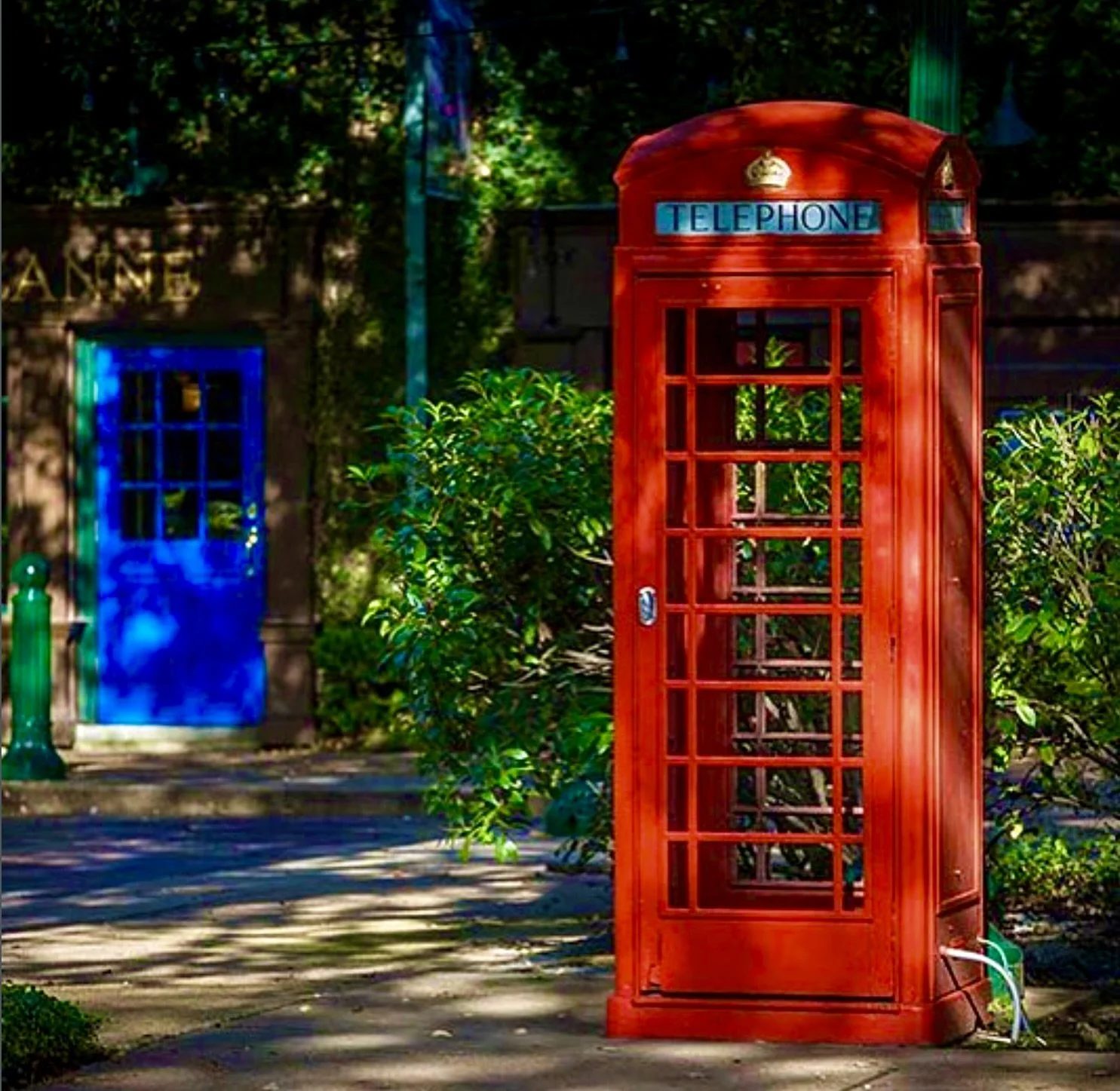
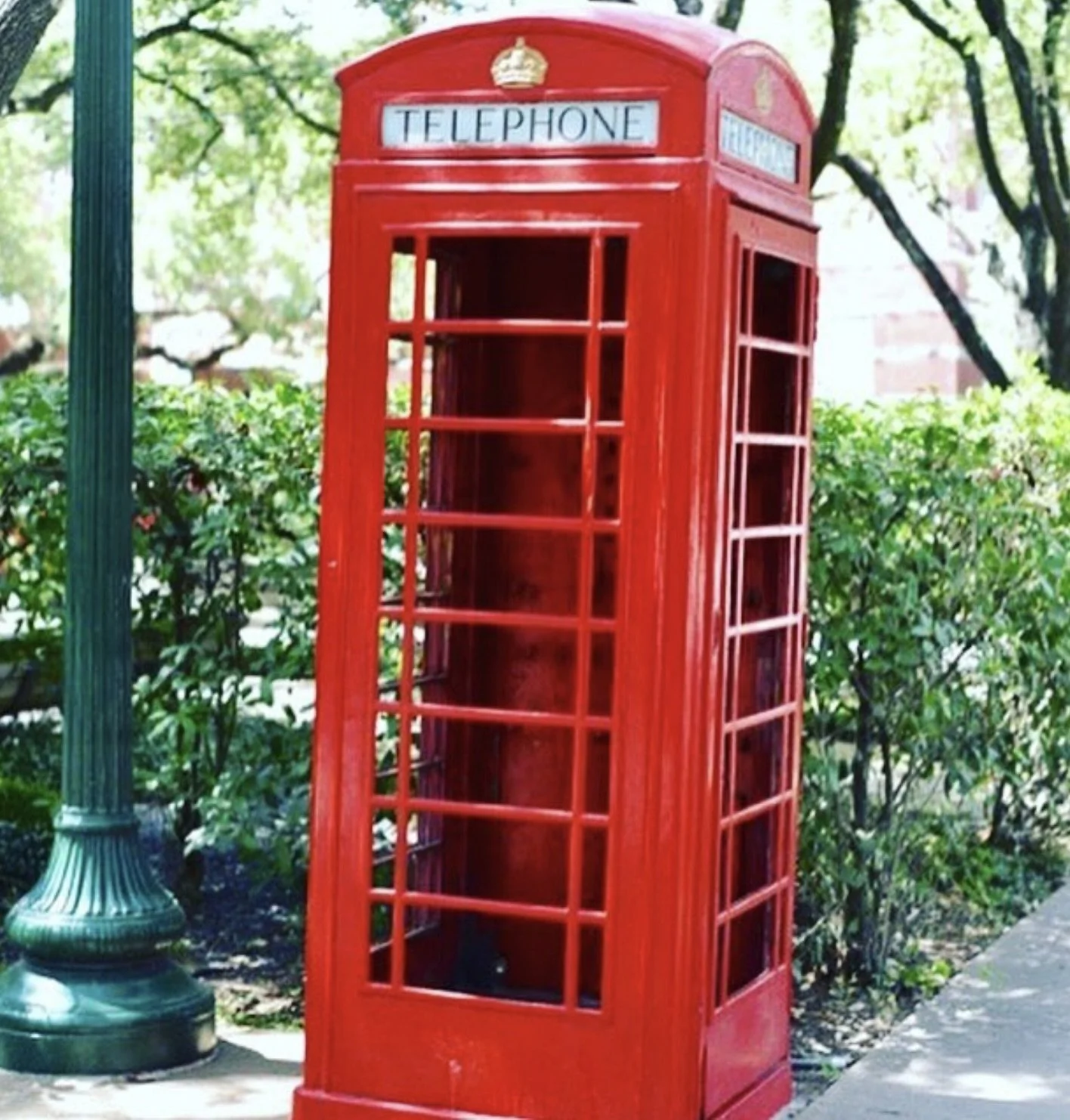
I earned mine.
There's a thread in my own history that runs oddly parallel. My stepfamily's Irish, and some of my summers as a kid were spent as a sternman on lobster boats off Deer Isle, Maine, working for my step-grandmother — who was, simultaneously and without apparent contradiction, the mayor, the general store operator, the postmaster, the justice of the peace, the constable, and the school bus driver. She made clam chowder for the family after. I lived in Marblehead later, went to games at Fenway, and grew up in South Texas aware of the San Patricio Battalion — Irish soldiers who deserted the U.S. Army in the Mexican-American War and fought, and largely died, on the other side. Irish-Mexican solidarity isn't an abstraction where I'm from. It's a fact you grow up knowing the way you know the tide.
So maybe I was always going to end up a regular at a pub that made no sense on paper. The Black Labrador was a room full of people who'd each brought something borrowed and made it theirs. I brought a badge and a fondness for Dostoevsky. It fit fine.
The University of St. Thomas closed it on December 15, 2019. Bought the building, converted it to offices, took down what needed taking down. I don't fault them for it — buildings change hands, cities change shape, that's the whole business I'm usually documenting when I go out with a camera. But I didn't go back for a long time.
When I finally did, this past July, I went looking for the chess board specifically. I knew the tables were gone. I wanted to see if the patio itself remembered anything.
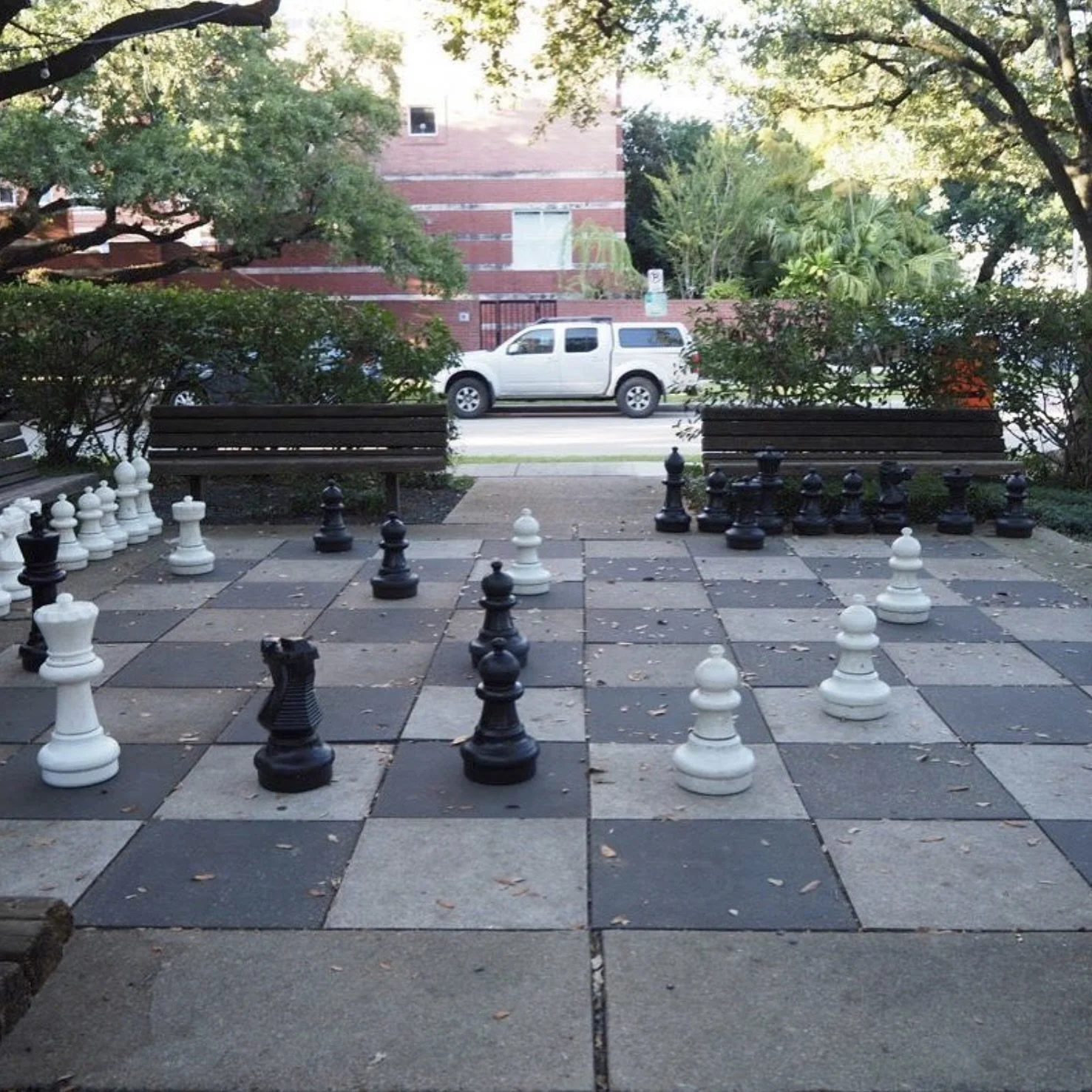
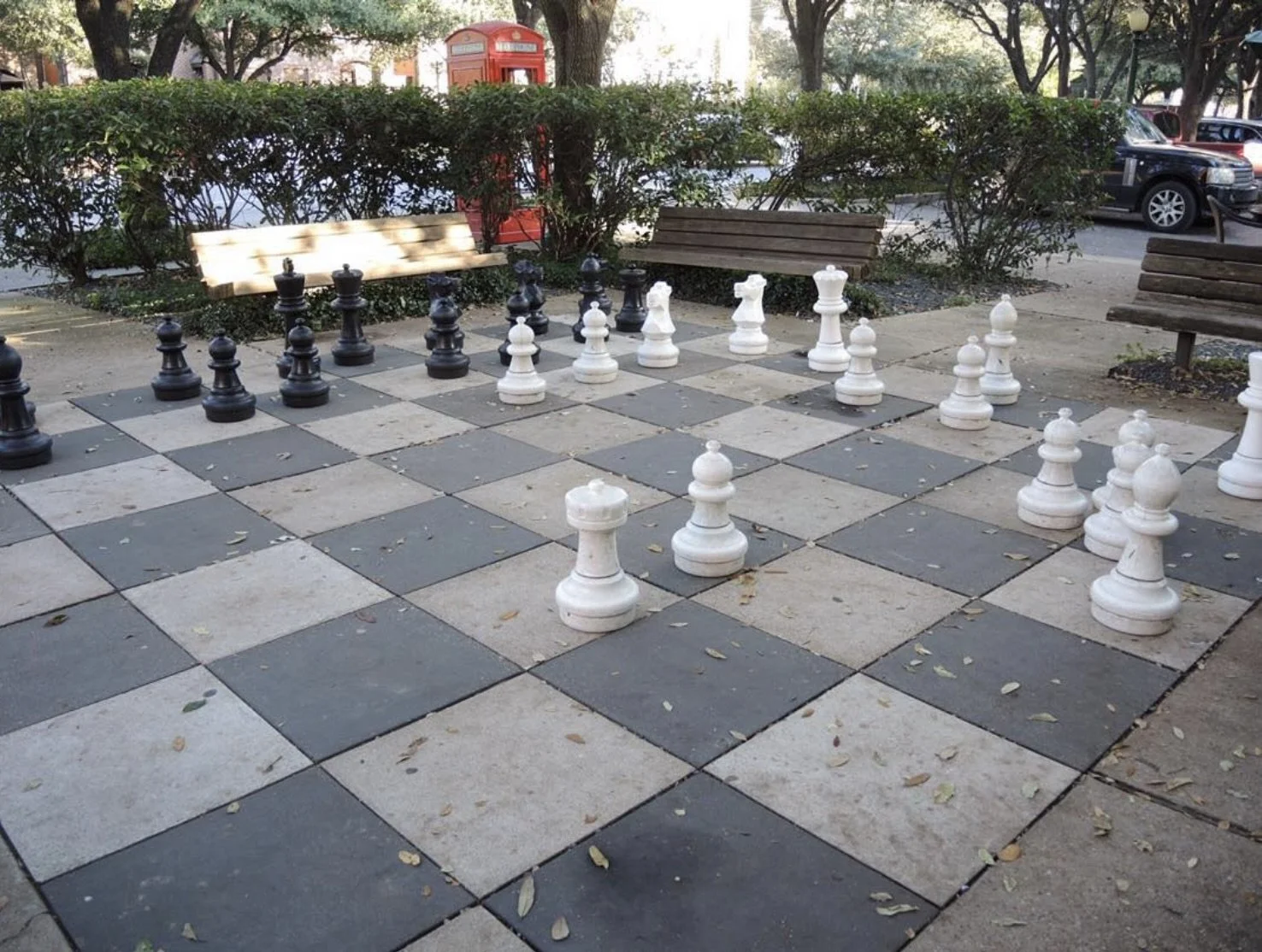
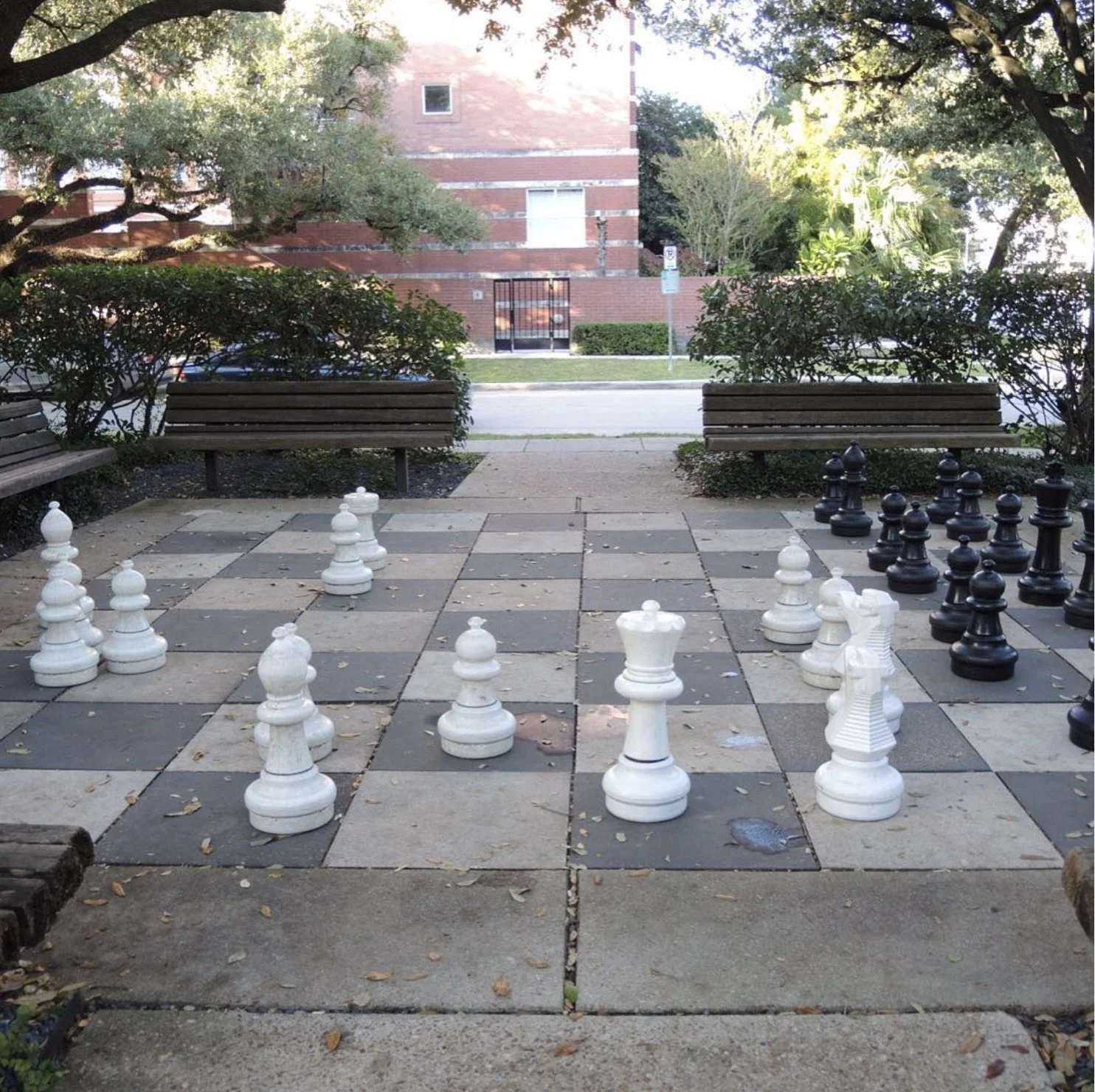
It did. The tiles are still embedded in the concrete where the board used to sit — the grid intact, the game abandoned mid-thought, the pieces swept away years ago by someone who had no idea they were clearing a chessboard and not just tidying a patio. I shot it close, and I shot it wide, and I stood there a minute the way you do at a grave that isn't quite a grave.
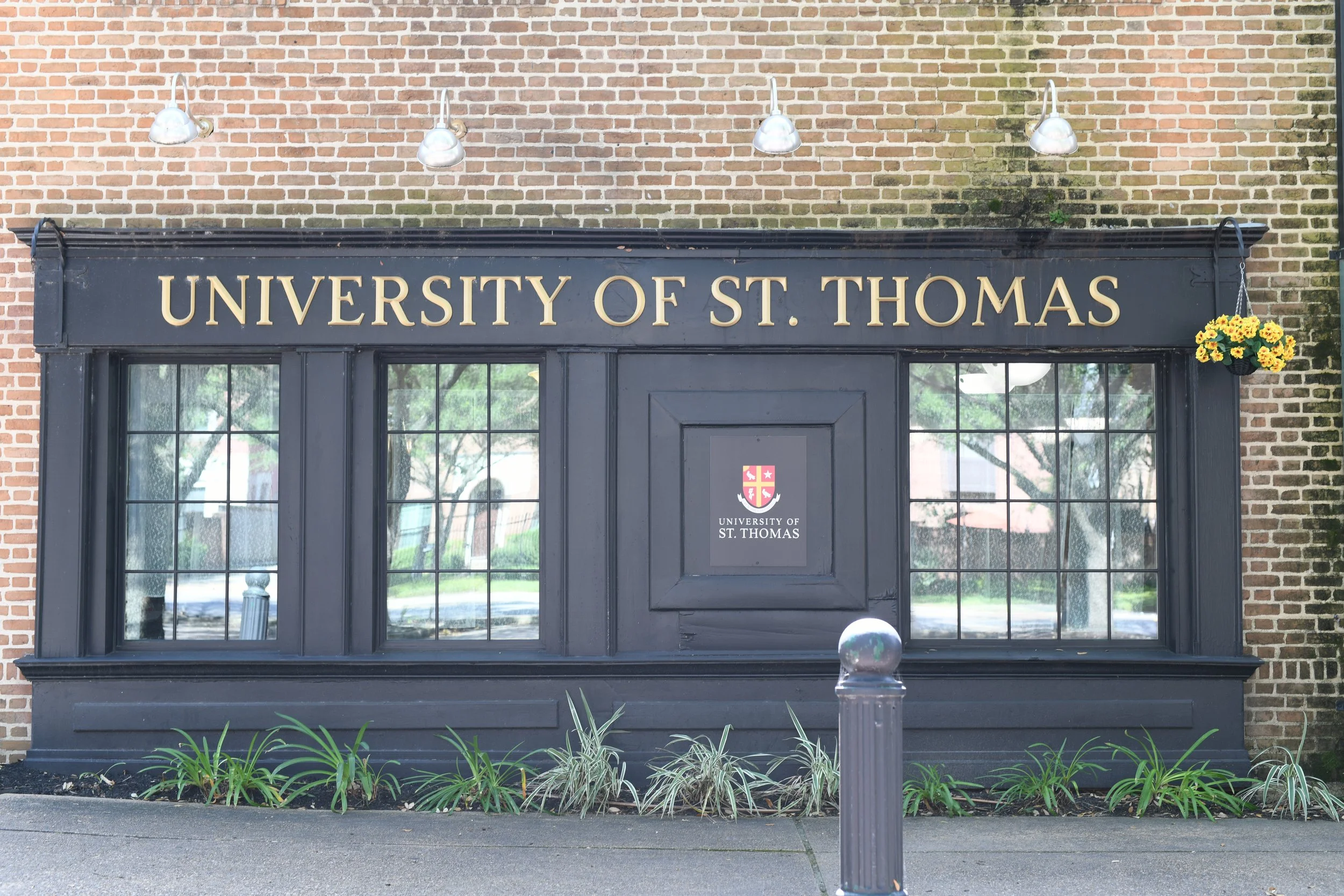
what is here now.
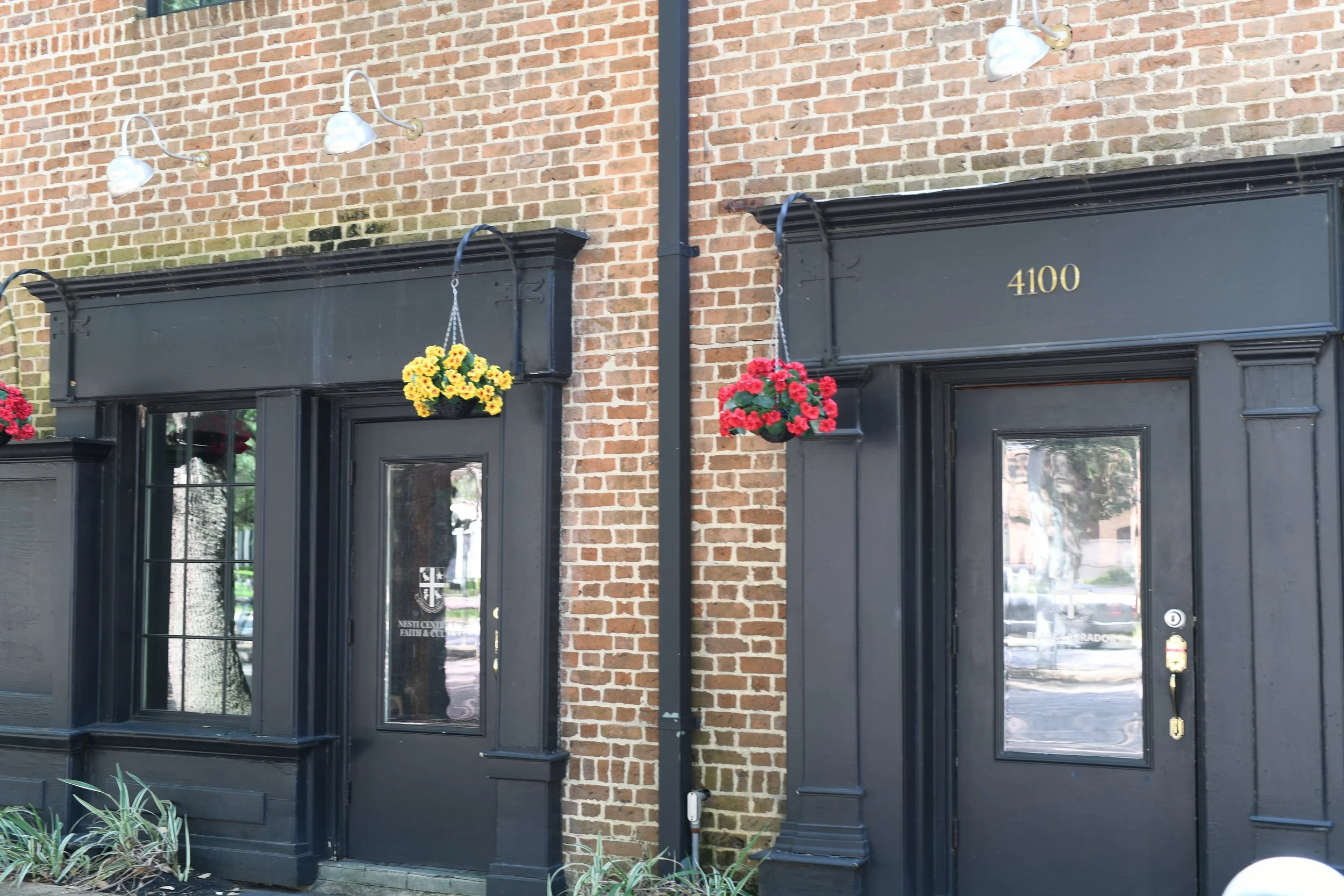
That's the image this piece ends on. Not the red door, not the tankards, not the mannequin standing guard over a room that doesn't need guarding anymore. Just a board with no pieces, still waiting on a game that ended without anybody agreeing it was over.
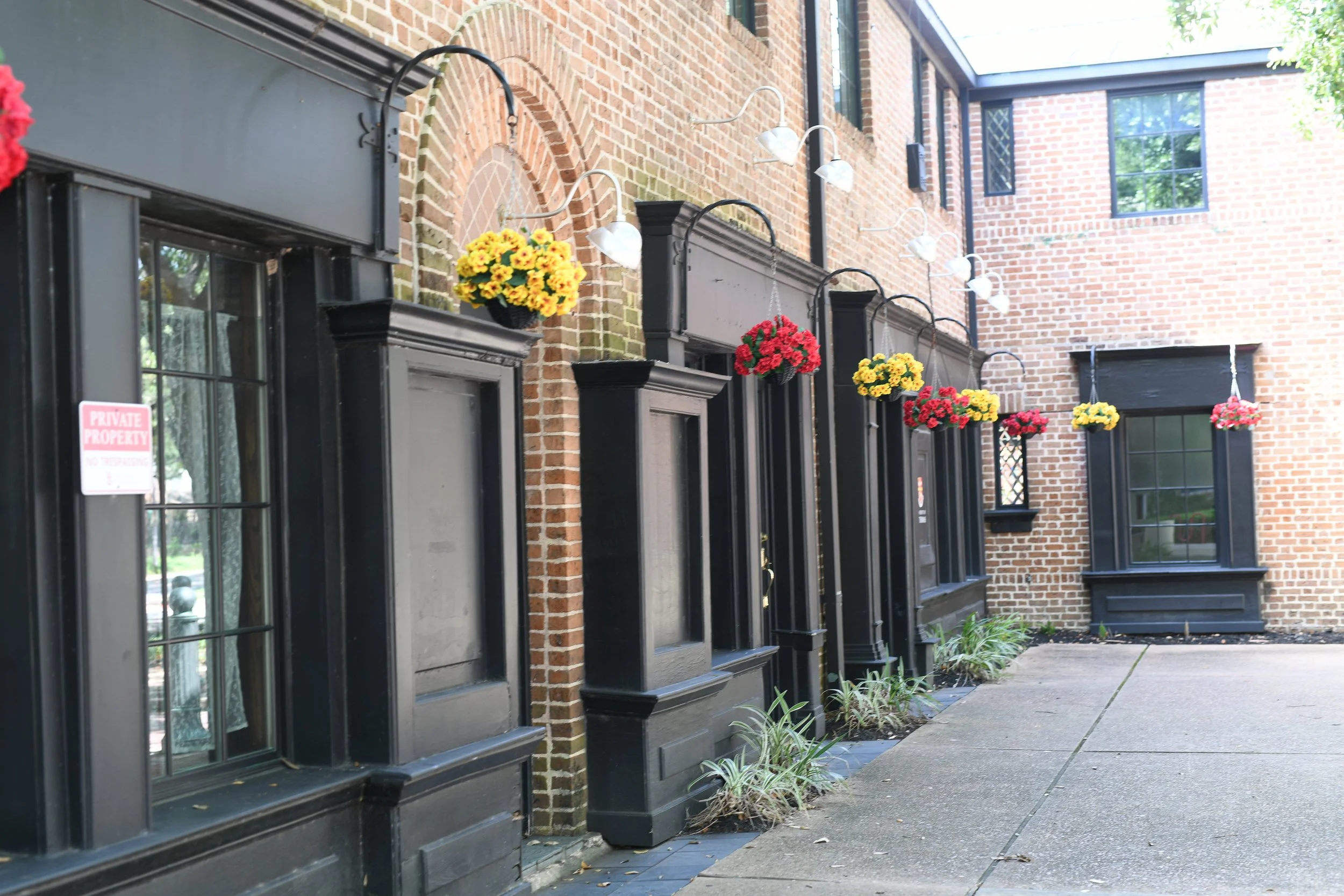
what replaced it.
The players moved on. The board didn't.
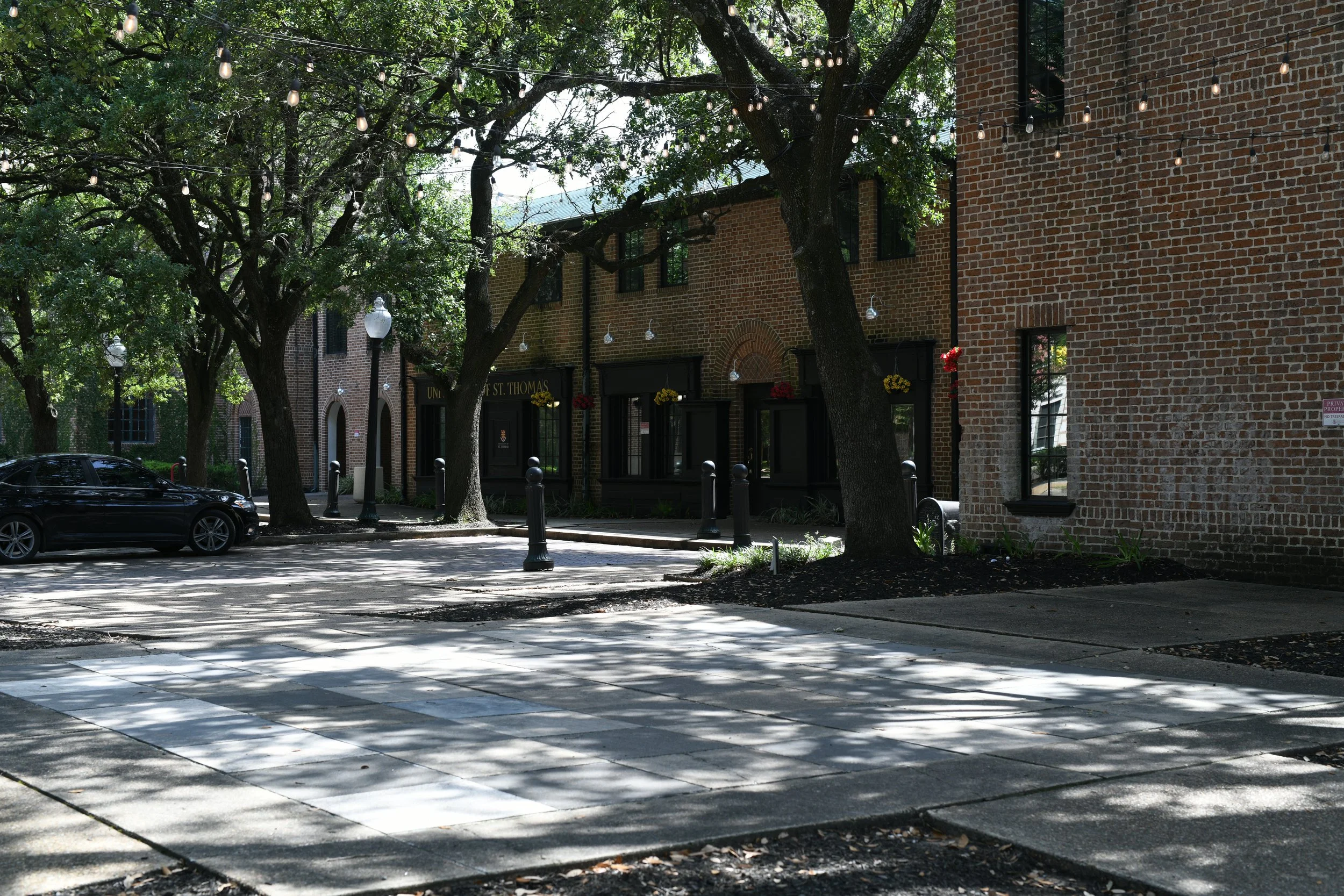
All that is left.
The Black Labrador operated at 4100 Montrose Boulevard in Houston from 1986 until its closure on December 15, 2019.
By Jim Torres, photojournalist, Houston heights independent.
ATTENTION ASSIGNMENT DESKS & MEDIA PRODUCERS:
All text, video, and original photography covering this story are the exclusive property of the Houston Heights Independent. Broadcast, digital replication, or social scraping of these assets without an active license is strictly prohibited. To license clean, high-density, unwatermarked frames for TV broadcast or regional news print, contact our newsroom immediately, at houstonheightsindependent@gmail.com. or 210-288-3034. Standard licensing fees apply.
© 2026 Houston Heights Independent. All rights reserved. Registered under Jim Towers, AA. BS.MJA.JD. No part of this publication, including text, layout, and original photography, may be reproduced, distributed, broadcast, or transmitted in any form or by any means without prior written permission from the Editor-in-Chief. For media licensing inquiries or syndication requests, contact at houstonheightsindependent@gmail.com. Standard licensing fees apply.
— Houston Heights Independent | houstonheightsindependent.com —
